
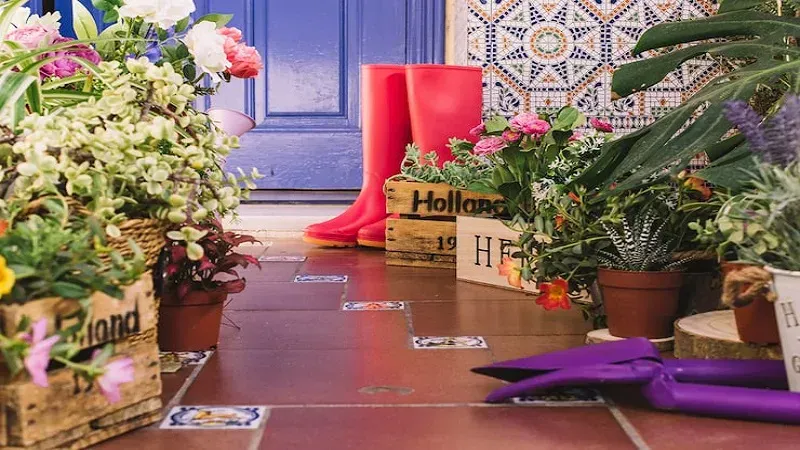
If you searched for from decoratoradvice decoration ideas decoradyard, you are probably looking for a practical way to connect home decoration with a more usable yard. The useful answer is not to copy one finished room or buy a long list of accessories. Start with function, measure the space, choose a simple visual direction, then add lighting, plants, textiles, and personal details in layers.
What the Search Phrase Is Really Pointing Toward
The phrase from decoratoradvice decoration ideas decoradyard is best treated as a bridge between indoor decorating and outdoor styling. It does not need to describe one fixed design style. Instead, it can be used as a planning idea for making rooms, patios, gardens, and yards feel related without making every area look identical.
That distinction matters. A small patio may need two comfortable chairs and shade, while a larger yard may benefit from separate dining, relaxing, and planting areas. Good decoration responds to the space you actually have.
Start With the Space, Not the Shopping List
Before buying anything, walk through the area and identify what is not working. Is there nowhere comfortable to sit? Does the room feel dark? Is the yard difficult to move through? Are plants competing with a walkway? Write down the problem before choosing the decoration.
This is where from decoratoradvice decoration ideas decoradyard becomes useful as a process rather than a shopping theme. Measure important dimensions, note doors and windows, observe where sunlight falls, and identify existing pieces worth keeping.
Create a simple priority list. First, solve function. Second, improve the visual structure. Third, add personality. This order reduces impulse purchases and makes later choices easier.
For outdoor areas, also consider drainage, exposure, wind, shade, and maintenance. A beautiful item is not a good choice if it blocks movement, deteriorates quickly outdoors, or creates extra work you will not maintain.
Build a Clear Color and Material Story
A decorating scheme becomes easier when you limit the number of competing colors. You can start with a neutral foundation, choose one supporting color, and then use a smaller accent color where you want attention.
One useful principle is to repeat materials or colors instead of matching every item. If a room has warm wood, that tone can reappear outdoors through a table, planter, or small accessory. If your interior uses soft green, the yard can echo it through planting rather than painted furniture.
Texture can do the same job. Pair smooth surfaces with woven materials, wood, stone, ceramic, or fabric. The goal is contrast with some connection. Too much matching can feel artificial, while too many unrelated finishes can make a space look scattered.
Always test important colors in the actual light of the space. A color that looks balanced on a screen can appear different in morning sun, afternoon shade, or artificial light.
Make the Yard Feel Like an Outdoor Room
A yard becomes easier to decorate when you give it a purpose. Instead of asking, “What should I put here?” ask, “What do I want to do here?”
A small seating area can support morning coffee or reading. A table can create a dining zone. A clear open section can remain available for children or pets. A planting area can frame the space rather than take over the usable floor area.
This is another practical lesson from decoratoradvice decoration ideas decoradyard: outdoor decoration works better when the layout comes before the accessories. Place the largest functional elements first. Then add smaller pieces around them.
Think about the view from inside the house as well. A seating group, tree, planter, or attractive garden border can become a visual focal point when seen through a window. That makes the yard part of the home’s overall composition rather than a separate area.
Choose Plants for the Conditions You Have
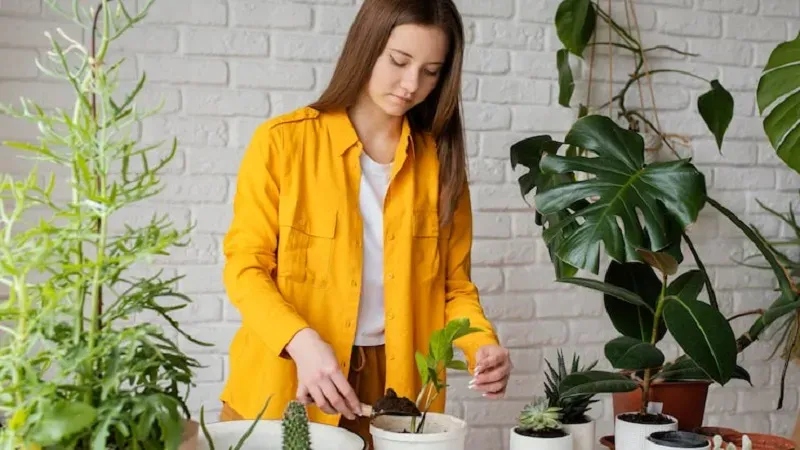
Plants are living design elements, so appearance should not be the only selection rule. Check sunlight, soil, moisture, climate, mature size, and the amount of care you can realistically provide.
This is important when applying from decoratoradvice decoration ideas decoradyard to a real yard. A plant that looks perfect in an inspiration photograph may fail in a different climate or soil. Choose the growing conditions first, then narrow the design choices.
Use different heights to create depth. Low plants can define edges, medium plants can fill beds, and taller shrubs or small trees can provide structure. Avoid placing every plant at the same height unless a formal design is intentional.
Use Lighting for Safety and Atmosphere
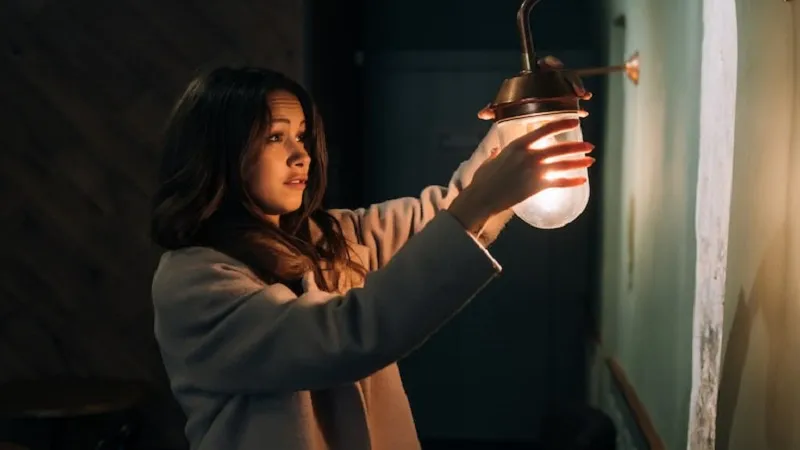
Outdoor lighting should have a clear job. You may need it to illuminate a step, define a path, support a seating area, or highlight a feature.
A better approach is to treat lighting as a layer rather than covering the entire yard with bright fixtures. Position lights where they provide a useful purpose and avoid unnecessary glare or light spilling into areas that do not need it.
From decoratoradvice decoration ideas decoradyard, the better approach is to treat lighting as a layer rather than covering the entire yard with bright fixtures. A few well-positioned lights can create depth while leaving darker areas around them.
Inside the home, use the same layered thinking. Combine general lighting with task lighting and smaller accent sources. This gives you more control over how the room feels at different times of day.
Add Comfort Before Decorative Clutter
Outdoor cushions, a rug designed for exterior use, a side table, shade, or a comfortable chair can make a bigger practical difference than a collection of decorative objects.
The same principle applies indoors. If a room looks unfinished, do not automatically add more accessories. Ask whether the problem is actually scale, lighting, furniture placement, empty wall space, or lack of texture.
A useful decorating test is to remove a few items and see what changes. If the space looks calmer and the important pieces stand out more clearly, you probably had too much visual competition.
Small Spaces Need Editing, Not More Stuff
A narrow balcony, tiny patio, or compact yard can still feel complete. The key is choosing pieces that perform more than one job.
A bench with storage can provide seating and hide outdoor cushions. Vertical planting can add greenery without consuming much floor area. A foldable table can disappear when the space needs to be open.
For small rooms, use the same logic. Keep the main path clear, choose furniture that fits the scale of the room, and avoid filling every empty surface.
The best from decoratoradvice decoration ideas decoradyard choices are not necessarily the most noticeable ones. They are the ones that make the space easier to use.
Create Personality Without Following Every Trend
Trends can provide inspiration, but your home does not need to look current in every detail. A stronger approach is to choose elements that have personal meaning or that you genuinely enjoy living with.
Family photographs, handmade objects, books, inherited furniture, artwork, collected ceramics, or favorite plants can make a space feel more individual. Outdoors, the same personality can appear through planters, seating fabrics, garden art, or a simple feature that reflects your interests.
If you borrow an idea from a photograph, copy the principle rather than the entire room. A picture may teach you how to combine textures, frame a view, or create a focal point. You do not need the same furniture or exact color palette.
A Practical Weekend Decorating Plan
Start by photographing the room or yard from several viewpoints. Look at the pictures before changing anything. Photos often reveal crowded corners, awkward furniture placement, or areas that receive little attention.
Next, remove anything that is broken, unused, or clearly out of place. Then measure the area and identify the main purpose of each zone.
After that, make only a short shopping or project list. Prioritize one functional improvement, one visual improvement, and one personal detail.
Use from decoratoradvice decoration ideas decoradyard as a simple filter for every choice: Does this improve how the space works, does it fit the visual direction, and can I maintain it?
Do not try to finish the entire property at once. Live with the first changes for a while. You may discover that a space needs less furniture, more shade, a different plant, or better lighting before you spend more money.
Common Decorating Mistakes to Avoid
The first mistake is buying before measuring. Attractive furniture is still a poor choice if it overwhelms the room or blocks a walkway.
The second is choosing plants only for appearance. Growing conditions matter, and mature size matters even more than the size of a plant when you buy it.
The third is using too many unrelated colors and materials. Variety is useful, but repetition creates visual connection.
The fourth is over-lighting the yard. Brightness is not the same as good design. Use light with a purpose and avoid unnecessary spill.
The fifth is decorating every empty corner. Empty space can help important features stand out and can make movement easier.
Finally, avoid designing only for photographs. A space should work when it is being cleaned, used, watered, moved through, and enjoyed on an ordinary day.
The Simple Rule That Brings It Together
From decoratoradvice decoration ideas decoradyard, the most useful takeaway is simple: design in layers.
Start with function. Fix the layout. Establish a small color and material story. Add plants suited to the site. Introduce purposeful lighting. Then finish with comfortable and personal details.
That method works because it does not depend on one trend or one house style. It can be adapted to a small apartment balcony, a suburban garden, a large backyard, or a home with only a modest decorating budget.
Conclusion
Good decoration is not about filling space. It is about making the space work better and feel more like home.
If you approach indoor rooms and outdoor areas with the same attention to function, proportion, light, texture, planting, and personality, the result will feel connected without becoming repetitive. Start with one area, make a few deliberate changes, and let the design develop from real use rather than from a shopping list.
FAQ Section
What is the best way to start decorating a yard?
Start with the purpose of the space. Decide whether you need seating, dining, gardening, play space, entertaining space, or a combination. Then plan furniture placement and pathways before adding decorative accessories.
How can I make a small yard look better?
Use appropriately scaled furniture, vertical planting, multifunctional pieces, and a limited color palette. Keep pathways open and avoid filling every available surface with decoration.
Should outdoor decoration match the interior?
It does not need to match exactly. Repeating a color, material, texture, or design detail can create a visual connection between indoor and outdoor areas without making both spaces identical.
How do I choose plants for decorative landscaping?
Consider sunlight, soil, moisture, climate, mature size, and maintenance requirements before choosing plants. Select plants that are naturally suited to the conditions rather than choosing only by appearance.
Is outdoor lighting necessary for a decorated yard?
Not always. Lighting should solve a practical or visual need. It can help illuminate paths and steps, support outdoor activities, or highlight selected features, but excessive lighting can make a space feel harsh.
How can I decorate without spending a lot?
Rearrange existing furniture, improve lighting, edit clutter, repaint selected surfaces, add plants, change textiles, and introduce a few meaningful accessories. Small changes can often improve a space without a complete redesign. See More