
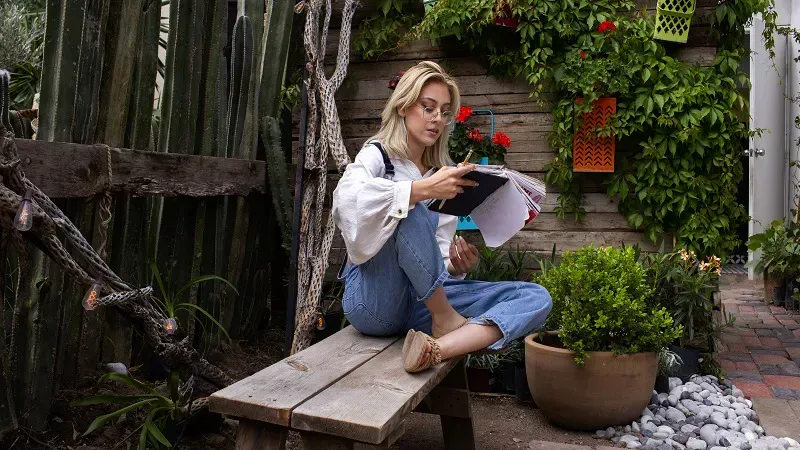
A beautiful yard can make a home feel more welcoming, comfortable, and connected to nature. You do not always need a large budget or a huge outdoor area to create an attractive garden. With thoughtful planning, suitable plants, clean spaces, and a few creative details, even a small yard can become a pleasant place to relax. The main goal is to create an outdoor space that looks good while remaining easy to use and maintain.
DecadGarden Yard Tips by DecoratorAdvice can be understood as a practical approach to improving outdoor areas through simple decorating, gardening, and organization ideas. These ideas focus on making the yard useful as well as attractive. Whether you have a small backyard, a front garden, a patio, or a larger outdoor space, the right combination of plants, furniture, lighting, and pathways can make a noticeable difference.
Start With a Simple Yard Plan
Before buying plants or outdoor decorations, take some time to understand the space. Look at the size of the yard, the amount of sunlight it receives, drainage conditions, and areas that are already being used. A basic plan can help you avoid unnecessary purchases and make the final design more balanced.
Think about how you want to use the yard. Some people want a quiet place for reading, while others need an area for family gatherings, gardening, children, or outdoor meals. Your purpose should influence the layout.
DecadGarden Yard Tips by DecoratorAdvice encourages homeowners to begin with practical planning rather than decorating everything at once. Divide the space into simple areas if necessary. For example, one section can contain plants, another can be used for seating, and a small path can connect the different areas.
Choose Plants for Your Local Conditions
Plants are one of the most important parts of any garden. However, choosing plants simply because they look attractive can create maintenance problems later. Consider sunlight, soil, rainfall, temperature, and available water before making your selection.
Plants that naturally suit your local climate are often easier to care for. Native and climate-appropriate plants can also provide useful habitats for birds, butterflies, and other beneficial wildlife.
Use a mixture of plant sizes to create visual interest. Small flowers can fill empty spaces, medium plants can add color and texture, while taller plants or shrubs can provide structure. Evergreen plants can also help maintain interest during seasons when flowering plants are less active.
Create a Comfortable Seating Area
A yard becomes more useful when it includes a comfortable place to sit. You do not need expensive outdoor furniture. A simple bench, a pair of chairs, or a small table can create an inviting area.
Place seating where it can take advantage of shade, pleasant views, or privacy. If the area receives strong sunlight, consider a shade umbrella, pergola, or another suitable shade solution.
When following DecadGarden Yard Tips by DecoratorAdvice, remember that comfort should be considered alongside appearance. Outdoor furniture should be appropriate for the weather and easy to clean. Cushions made for outdoor use can add comfort and color without requiring major changes to the yard.
Keep Garden Paths Clear and Practical
Paths make a yard easier to navigate and can also improve its appearance. A simple walkway can connect the entrance, seating area, garden beds, and other important sections.
You can use different materials depending on your budget and design. Stone, brick, gravel, concrete, or stepping stones can all work in suitable settings. The path should be stable, reasonably level, and wide enough for comfortable movement.
Avoid creating too many pathways. A few clear routes usually look more organized than a complicated network of walkways. Curved paths can create a relaxed garden feeling, while straight paths often give a cleaner and more structured appearance.
Add Color Without Making the Yard Too Busy
Color can transform an outdoor space, but too many competing colors may make the yard feel cluttered. Select a simple color palette and repeat it in different areas.
Flowers are an easy way to introduce seasonal color. You can also use colored pots, cushions, outdoor rugs, or small decorative items. Natural materials such as wood and stone can balance stronger colors.
DecadGarden Yard Tips by DecoratorAdvice also emphasizes the value of repetition. If a particular plant or color appears in several parts of the garden, the entire space can feel more connected.
Use Containers for Small Spaces
Container gardening is especially useful when there is limited ground space. Pots can be placed on patios, balconies, steps, or other suitable areas.
Containers also make it easier to change the appearance of a yard. Seasonal flowers can be replaced when they finish blooming, while herbs can be moved closer to areas where they are frequently used.
Choose containers that have drainage holes and are appropriate for the plant size. Very small containers can dry out quickly, while very large containers may become difficult to move. Grouping several pots at different heights can create an attractive display without taking up much space.
Improve Privacy Naturally
Privacy can make a yard more comfortable, especially when neighboring homes are close together. Instead of relying only on solid fencing, consider using plants, shrubs, climbing plants, or screens.
Trees and tall shrubs can provide privacy while also adding greenery. A trellis with climbing plants can create a softer boundary around a seating area.
When applying DecadGarden Yard Tips by DecoratorAdvice, think about how quickly plants grow before planting them for privacy. A plant that grows too large for the space may require frequent trimming or eventually create other problems.
Add Outdoor Lighting
Good lighting allows you to enjoy the yard after sunset and can improve visibility around pathways and entrances. You do not need complicated electrical installations for every garden.
Solar lights can be useful for paths and decorative areas. String lights can create a warm atmosphere around seating spaces, while wall-mounted or other suitable outdoor fixtures can provide practical illumination.
Avoid making every part of the yard equally bright. Focus lighting on areas where people walk, sit, or gather. A combination of practical and decorative lighting often creates a more comfortable outdoor environment.
Make Water Management a Priority
Water is essential for plants, but poor drainage can cause serious garden problems. Observe how water moves through the yard after rainfall. Areas where water remains for long periods may need better drainage or plants that tolerate wet conditions.
At the same time, areas that dry out quickly may require improved soil or more suitable plant choices. Mulching around plants can help conserve soil moisture and reduce weed growth.
Efficient watering is also important. Water plants according to their actual needs rather than following a fixed routine that ignores weather conditions. Watering deeply when appropriate can be more useful than frequent shallow watering.
Keep Maintenance Simple
A beautiful garden is easier to enjoy when it does not require constant work. Before adding a feature, consider how much maintenance it will need.
Choose plants that match the amount of time you can realistically spend gardening. Keep paths free of excessive growth, remove damaged leaves when necessary, and regularly check plants for signs of pests or disease.
DecadGarden Yard Tips by DecoratorAdvice supports the idea that good garden design should be practical. A simple garden that remains neat and healthy is often more enjoyable than a complicated design that becomes difficult to manage.
Use Natural Materials
Natural materials can help a yard feel connected to its surroundings. Wood, stone, clay, bamboo, and other natural-looking materials can work well with plants.
A wooden bench can become a focal point, while stones can define a garden bed or pathway. Clay or ceramic pots can add texture to patios and entrances.
Try to avoid using too many unrelated materials. Repeating one or two materials throughout the yard can create a more unified appearance.
Create a Small Focal Point
Every garden can benefit from a focal point. This does not have to be expensive or dramatic. A beautiful tree, flower bed, fountain, sculpture, bench, large container, or interesting plant can attract attention.
Place the focal point where it can be seen from an important location, such as a window, entrance, or seating area. The surrounding space should support the focal point rather than compete with it.
A well-chosen focal point can make a small garden feel intentional and carefully designed.
Think About Seasonal Changes
A yard should not only look good during one season. Consider how the plants and decorations will change throughout the year.
Choose plants with different flowering periods so that some color remains available across multiple seasons. Evergreen plants can provide structure when other plants become dormant.
Outdoor furniture and decorations should also be considered according to local weather. Items that cannot handle rain, heat, or cold should be stored or protected when necessary.
Reuse and Repurpose Garden Items
Improving a yard does not always require buying new products. Old containers, wooden boxes, unused furniture, and other household items may sometimes be repurposed into useful garden features.
For example, an old container can become a planter if it is safe and has proper drainage. A simple wooden item can sometimes be cleaned and used as a garden shelf or decorative feature.
The key is to keep the result organized. Too many reused objects can make a garden appear crowded, so select only pieces that serve a clear purpose.
Make the Yard Friendly for Wildlife
A healthy garden can provide food and shelter for local wildlife. Flowers that provide nectar can attract pollinators, while suitable plants can offer shelter for small birds and insects.
Avoid unnecessary use of harsh chemicals and learn about natural ways to manage common garden problems. Providing clean water in a safe location can also support wildlife where appropriate.
DecadGarden Yard Tips by DecoratorAdvice can include wildlife-friendly thinking as part of a broader approach to sustainable outdoor design. A garden can be attractive to people while also supporting nature.
Avoid Common Yard Design Mistakes
Some common mistakes can make outdoor spaces harder to maintain. Planting too many species close together can create overcrowding as plants grow. Choosing plants without considering sunlight or soil can lead to poor growth.
Another mistake is filling every empty space with decorations. Open areas are important because they allow the yard to breathe visually and provide room for movement.
Poorly placed furniture can also reduce usable space. Before buying large items, measure the available area and think about how people will move around it.
Create a Yard That Fits Your Lifestyle
The most useful outdoor space is one that matches the people who use it. A family may need open areas and durable furniture, while someone who enjoys gardening may prefer more planting space.
If you enjoy entertaining, focus on seating and lighting. If relaxation is your priority, create a quiet corner with comfortable furniture and plants. If gardening is your main interest, make room for beds, containers, tools, and composting where suitable.
DecadGarden Yard Tips by DecoratorAdvice can therefore be adapted rather than followed as a strict formula. The best outdoor space is one that combines beauty, comfort, function, and manageable maintenance.
Final Thoughts
A successful yard does not depend on expensive decorations or professional-level landscaping. Careful planning, suitable plants, comfortable seating, practical paths, thoughtful lighting, and regular maintenance can make a major difference.
Start with the most important improvements and work gradually. Keep the design simple, choose materials that suit your environment, and make decisions based on how the space will actually be used.
By using DecadGarden Yard Tips by DecoratorAdvice as a practical source of inspiration, homeowners can approach outdoor decorating with greater organization and confidence. A well-planned yard can become an extension of the home, offering a pleasant place to relax, spend time with family, enjoy plants, and appreciate the outdoors.