
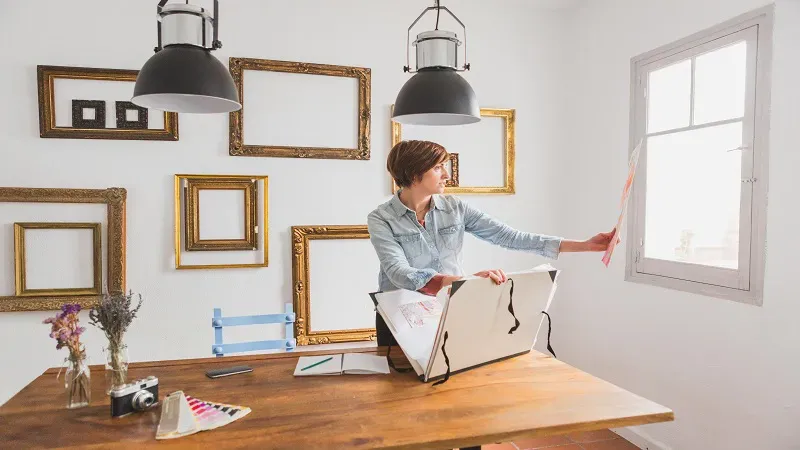
A beautiful home does not always require expensive furniture, luxury decorations, or a complete renovation. Small changes in colors, lighting, furniture placement, and accessories can make a room feel fresh, comfortable, and welcoming. The key is to understand your space, choose items carefully, and create a design that matches your lifestyle.
Whether you live in a small apartment, a family house, or a spacious home, thoughtful decorating can help you make better use of every room. A well-decorated space should look attractive while remaining practical for everyday living.
This guide to Decoration Tips Decoradhouse from DecoratorAdvice explores simple and affordable ways to improve your home. From selecting suitable colors to arranging furniture and adding natural elements, these ideas can help you create a balanced interior without making the process complicated.
1. Start with a Clear Decorating Plan
Before buying furniture or choosing decorative accessories, consider what you want to achieve. Think about how each room is used, what currently feels uncomfortable, and which changes would make the biggest difference.
For example, a living room used for family gatherings may need comfortable seating and open walking space. A bedroom should support rest and relaxation, while a home office needs practical lighting and an organized work area.
Begin by identifying your priorities. You might want to make a small room appear larger, brighten a dark corner, or create a more coordinated appearance. Write down your ideas and decide which improvements fit your budget.
It is also helpful to measure your rooms before purchasing furniture. Measurements reduce the risk of buying items that are too large or too small for the available space.
A clear plan prevents unnecessary spending and helps you build a consistent design. Instead of changing everything at once, focus on one room or one important improvement at a time.
2. Choose Colors That Work Together
Color has a major influence on how a room looks and feels. Light shades can make a space feel open, while deeper colors can create warmth, contrast, and a sense of comfort.
White, cream, beige, and soft gray are versatile choices for walls because they work well with many furniture styles. Pale blue and gentle green can create a calm atmosphere, while terracotta and warm brown can make a room feel inviting.
A practical approach is to select one main color, one supporting color, and one accent color. The main color can appear on walls or large surfaces, the supporting color can be used for furniture and curtains, and the accent color can appear in cushions, artwork, or decorative objects.
When applying Decoration Tips Decoradhouse from DecoratorAdvice, remember that colors should complement each other rather than compete for attention. You do not need to use the same shade everywhere. Instead, repeat a few related colors throughout the room to create visual harmony.
Before painting an entire wall, test a small sample. Natural daylight and artificial lighting can make the same color look different at various times of day.
3. Arrange Furniture for Comfort and Space
Furniture placement affects both the appearance and functionality of a room. Even attractive furniture can make a space feel crowded when it blocks walkways or sits too close together.
Start with the largest item, such as a sofa, bed, or dining table. Place it where it serves its main purpose without interrupting movement. Arrange smaller pieces around it and leave enough space for people to walk comfortably.
In a living room, try positioning the sofa toward a central feature, such as a television, fireplace, or large window. Add a coffee table within easy reach, but avoid choosing one that makes movement difficult.
For small rooms, consider furniture with more than one purpose. Storage ottomans, folding tables, sofa beds, and beds with drawers can help you save space without sacrificing usefulness.
Avoid pushing every piece of furniture against a wall simply because the room is small. In some layouts, bringing furniture slightly inward creates a more balanced arrangement. Experiment with different positions before deciding on the final setup.
The best furniture arrangement makes a room easy to use, comfortable to sit in, and visually balanced.
4. Improve Lighting in Every Room
Lighting is one of the simplest ways to transform an interior. A room with suitable lighting often feels cleaner, warmer, and more inviting, even when its furniture and decorations remain unchanged.
Whenever possible, make use of natural daylight. Keep windows clean, avoid blocking them with oversized furniture, and choose curtains that allow light to enter when privacy is not a concern.
Artificial lighting should serve different purposes. General lighting brightens the whole room, task lighting supports activities such as reading or cooking, and accent lighting highlights artwork, shelves, or architectural details.
For example, a living room might combine a ceiling light with a floor lamp beside the sofa. A bedroom could benefit from bedside lamps, while a kitchen may need focused lighting above work surfaces.
Warm white bulbs often create a relaxing atmosphere in bedrooms and living areas. Brighter, more neutral lighting can be useful in kitchens, bathrooms, and workspaces, depending on the activity.
You can also use mirrors to reflect available daylight and make certain areas feel brighter. Place them where they can reflect a window or another light source rather than a cluttered corner.
5. Use Decoration Without Creating Clutter
Decorative accessories give a home personality, but too many objects can make rooms look disorganized. The goal is to display meaningful items while leaving enough open space for the room to breathe.
Choose a few items that reflect your interests, such as framed photographs, artwork, pottery, books, or handmade decorations. Grouping objects in small collections often looks more intentional than spreading unrelated accessories across every surface.
When applying Decoration Tips Decoradhouse from DecoratorAdvice, think about the size and visual weight of each object. A large empty wall might suit one substantial artwork, while a narrow shelf may look better with two or three small pieces.
Try arranging accessories in odd-numbered groups, such as three vases of different heights. This can create a natural-looking display, although symmetry is also effective when you prefer a more formal style.
Keep frequently used surfaces practical. Dining tables, kitchen counters, and work desks should have enough space for everyday activities.
Regularly review your decorations and remove anything that no longer serves a purpose or makes you happy. You do not need to display every item you own. Carefully selected objects can have a stronger visual effect than a crowded collection.
6. Add Plants and Natural Materials
Natural elements can make interiors feel fresh and comfortable. Houseplants, wooden furniture, woven baskets, stone accessories, and natural-fiber textiles add texture and visual interest without requiring major changes.
If you enjoy caring for plants, choose varieties that suit your available light and experience level. Some plants prefer bright indirect light, while others tolerate lower-light conditions. Research their watering and care requirements before bringing them home.
If maintaining live plants is difficult, consider dried arrangements or realistic artificial plants. These options can provide decorative greenery with less maintenance.
Wooden trays, rattan baskets, linen curtains, cotton cushions, and jute rugs can introduce different textures into a room. Combining these materials with smooth surfaces helps prevent the design from feeling flat.
Natural materials do not have to be expensive. A simple wooden bowl, a secondhand side table, or a woven storage basket can make a noticeable difference.
The important thing is balance. Use natural textures to complement your existing furniture rather than adding so many materials that the room feels visually busy.
7. Make Small Rooms Feel More Spacious
Small rooms can be attractive and practical when their layouts are planned carefully. The most effective changes often involve reducing visual clutter, improving lighting, and selecting furniture that suits the available floor space.
Choose furniture with suitable proportions. A compact sofa may work better than a large sectional, while a round dining table can make movement easier in some narrow spaces.
Use vertical storage to take advantage of wall height. Floating shelves, tall bookcases, and wall-mounted organizers can free up floor space. Keep frequently used items within easy reach and store less-used belongings higher up.
Light-colored walls can help a room feel open, but you do not have to avoid dark colors entirely. A darker accent wall or carefully selected furniture can create depth when the rest of the room remains balanced.
Mirrors may also help create a greater sense of openness, especially when positioned opposite a window or another bright area.
Another useful idea is to maintain a clear visual path through the room. Avoid placing unnecessary objects near doorways and keep walking routes unobstructed.
These Decoration Tips Decoradhouse from DecoratorAdvice can be particularly useful when you want to improve a small room without paying for structural changes or expensive renovations.
8. Refresh Your Home with Textiles
Textiles are an affordable way to change the appearance of a room. Curtains, cushions, rugs, throws, and bedding can introduce color, texture, and comfort without replacing major furniture.
Start by considering the room’s existing colors. If your sofa is neutral, patterned cushions or a colorful throw can add interest. If the furniture already has bold patterns, plain textiles may create a more balanced appearance.
Rugs can help define separate areas in open-plan rooms. In a living room, a suitably sized rug can visually connect the sofa, chairs, and coffee table. Make sure the rug does not create a tripping hazard and that its dimensions suit the furniture arrangement.
Curtains should complement the room’s proportions. Hanging curtain rods slightly higher than the window frame can make ceilings appear taller. Curtains that reach close to the floor often create a more finished look.
For bedrooms, coordinate bedding with the wall color and other accessories. You can create a layered appearance by combining sheets, a duvet, and a few cushions in complementary shades.
When choosing textiles, consider durability and cleaning requirements as well as appearance. Homes with children or pets may benefit from washable covers and hard-wearing fabrics.
9. Decorate Your Home According to Your Style
A home should reflect the people who live in it. Following popular design trends can provide inspiration, but your rooms should also suit your preferences, habits, and daily needs.
Minimalist interiors focus on simplicity, open space, and carefully selected furnishings. Traditional interiors often feature classic furniture, decorative details, and coordinated colors. Modern interiors may combine clean lines with practical materials, while rustic spaces often emphasize wood, natural textures, and warm colors.
You can also combine elements from different styles. For example, a contemporary sofa may look attractive alongside a traditional wooden table. The key is to establish a connection through color, texture, shape, or material.
Decoration Tips Decoradhouse from DecoratorAdvice can be approached as a flexible decorating philosophy: understand your needs, experiment with ideas, and keep the choices that make your space more comfortable and attractive.
Avoid purchasing something simply because it looks fashionable in a photograph. Consider whether it fits your room, matches your existing belongings, and serves a useful purpose.
Personal touches are especially valuable. Family photographs, handmade artwork, travel souvenirs, and treasured objects can make a space feel unique. Arrange these items thoughtfully so they contribute to the overall design rather than creating unnecessary clutter.
10. Organize Storage to Keep Rooms Tidy
Good storage supports good design. Even a beautifully decorated room can appear messy when everyday belongings have no designated place.
Begin by identifying the items that regularly accumulate on tables, counters, and floors. Decide which belongings you use frequently, which can be stored away, and which you no longer need.
Use baskets for blankets and toys, drawer organizers for small household items, and labeled containers for seasonal decorations. In bedrooms, under-bed storage can provide extra room for clothing or spare bedding.
In kitchens, keep frequently used cooking tools accessible and store occasional-use equipment in cabinets. In bathrooms, trays and small containers can organize toiletries while keeping surfaces easy to clean.
A useful approach is to assign a specific place to each item. When something has a designated home, it becomes easier to put it away after use.
Do not purchase storage products before checking what you already have. Empty boxes, existing baskets, and unused containers may solve many organization problems without additional spending.
Remember that storage should support your routine. The most attractive organizational system is not necessarily the most complicated one; it is the one you can maintain consistently.
11. Decorate on a Realistic Budget
Creating an attractive home does not mean spending a large amount of money. A thoughtful budget helps you focus on improvements that offer the greatest benefit.
Start with simple changes, such as rearranging furniture, cleaning windows, organizing shelves, or changing cushion covers. These improvements can refresh a room without requiring a major purchase.
Consider buying secondhand furniture or restoring items you already own. An old wooden table may look completely different after sanding and refinishing. A simple chair can be updated with a new cushion or a fresh coat of suitable paint.
Before purchasing decorative accessories, compare prices and consider whether the item will remain useful over time. Quality, durability, and practicality are often more valuable than following a short-lived trend.
The approach behind Decoration Tips Decoradhouse from DecoratorAdvice also emphasizes making thoughtful choices rather than spending unnecessarily. You can create an attractive room gradually, adding furniture and accessories as your budget allows.
Divide larger projects into manageable stages. You might improve the lighting this month, update the textiles next month, and repaint the walls later. This approach makes decorating less stressful and gives you time to evaluate each change.
12. Maintain Your Decorating Results
Decorating is not only about creating a beautiful room once. Regular maintenance helps preserve its appearance and keeps the space comfortable for everyday use.
Dust furniture, clean mirrors, wash curtains when necessary, and vacuum rugs according to their care instructions. Remove items that accumulate on surfaces and return frequently used belongings to their designated storage areas.
Pay attention to small problems before they become larger ones. Loose handles, damaged cushion covers, chipped paint, and poorly functioning lights can affect both the appearance and usefulness of a room.
Seasonal updates can also keep your interior feeling fresh. During warmer months, lightweight fabrics and brighter accents may suit your preferences. In colder weather, thicker throws, layered bedding, and warmer textures can make living spaces feel more comfortable.
You do not need to change your entire decorating scheme every season. Small adjustments, such as replacing a cushion cover or changing a table arrangement, can provide variety without creating unnecessary expenses.
Frequently Asked Questions
What is the easiest way to improve a room?
Start by removing clutter, improving lighting, and rearranging existing furniture. These changes can improve a room’s appearance without requiring expensive purchases.
How can I decorate my home on a limited budget?
Reuse furniture, shop secondhand, add affordable textiles, and use decorations you already own. Prioritize changes that improve comfort and functionality before purchasing accessories.
Which colors work best in small rooms?
Light neutrals, soft greens, and pale blues can help create an open and calm atmosphere. However, the best choice depends on natural lighting, room proportions, and personal preference.
How can I make my living room look more attractive?
Choose a comfortable furniture arrangement, coordinate colors, use layered lighting, and select a few meaningful decorative accessories. Keep walking areas clear and avoid overcrowding surfaces.
How often should I update my home decor?
There is no fixed schedule. Update your decor when your needs change, items become worn, or you want a fresh appearance. Small seasonal adjustments are often enough.
Conclusion
Creating a beautiful home is about making thoughtful decisions that balance appearance, comfort, and practicality. You do not need luxury furniture or expensive renovations to improve your surroundings. A coordinated color scheme, suitable lighting, carefully arranged furniture, natural textures, and organized storage can make a meaningful difference.
The most successful interiors reflect the people who use them. Choose designs that suit your lifestyle, work within your budget, and leave enough room for everyday activities.
By following Decoration Tips Decoradhouse from DecoratorAdvice, you can approach decorating step by step, improve your existing space, and make choices that remain useful over time. Start with one room, identify the changes that matter most, and build on your progress gradually. With patience and creativity, even small improvements can help turn an ordinary house into a comfortable and welcoming home.