
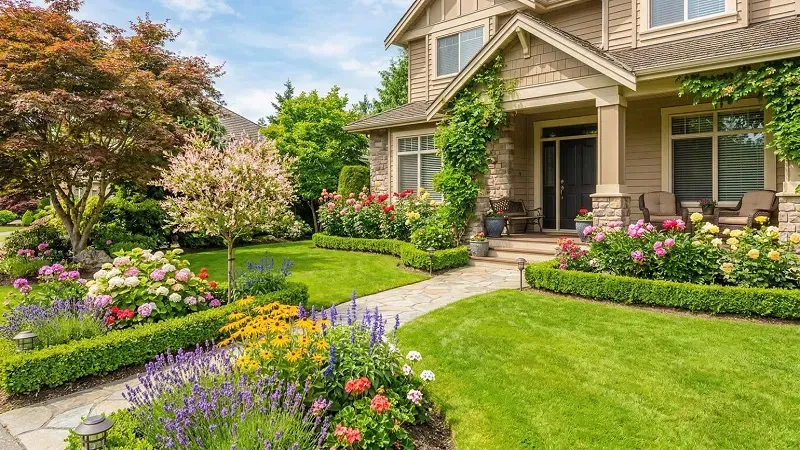
A beautiful garden is not simply about planting flowers or adding decorative furniture. It is about creating an outdoor space that looks attractive, supports healthy plant growth, and fits your everyday needs. Whether you have a spacious backyard, a small courtyard, or a few containers on a balcony, the right gardening decisions can make a noticeable difference.
Decoradyard Garden Tips by Decoratoradvice focus on practical garden planning, suitable plant selection, healthy soil, efficient watering, and simple outdoor improvements. The best approach is to understand your available space before purchasing plants or decorations. This helps prevent unnecessary expenses and makes garden maintenance easier.
In this guide, you will learn how to organize your garden, select suitable plants, improve growing conditions, and create an outdoor environment that remains enjoyable throughout the year.
Understand Your Garden Before Making Changes
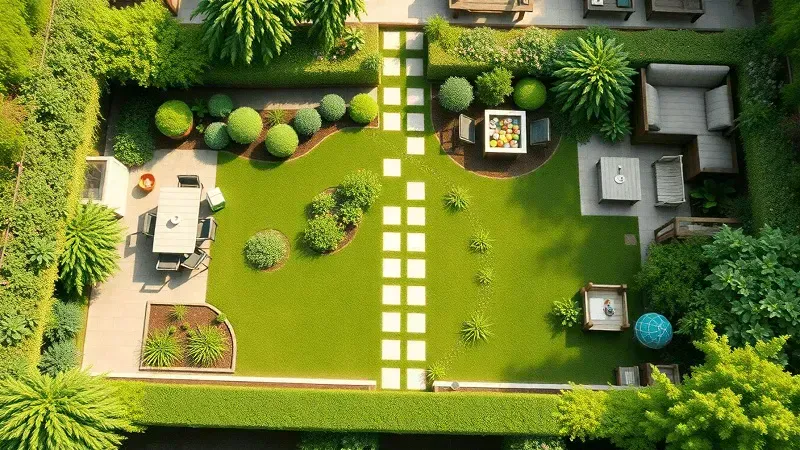
Every garden has different conditions. Some receive direct sunlight throughout the day, while others remain shaded by buildings, walls, or trees. Soil quality, drainage, available water, and outdoor space also influence what you can successfully grow.
Start by walking around your garden and observing its existing conditions.
Pay attention to the following details:
-
Which areas receive morning and afternoon sunlight?
-
Where does rainwater collect?
-
Which sections have healthy existing plants?
-
Where does the soil become unusually dry?
-
How much space is available for planting and seating?
Observe sunlight at different times rather than making decisions from a single observation. This is particularly important because seasonal changes can affect shade patterns.
A simple garden sketch can help you organize your findings. Mark existing trees, walls, pathways, water sources, and areas where you want to introduce new plants.
Choose Plants That Suit Your Environment
Plant selection should depend on growing conditions rather than appearance alone. A beautiful plant may struggle when placed in unsuitable sunlight, soil, or temperatures.
Before purchasing anything, check its growing requirements.
Consider Sunlight Requirements
Plants have different light preferences. Some require several hours of direct sunlight, while others grow better in partial shade.
For example, many flowering plants and vegetables need substantial sunlight. Certain leafy vegetables and ornamental plants can tolerate more shade.
Observe the intended planting location before choosing seeds or young plants. Read nursery labels and follow their recommendations for sunlight and spacing.
Consider Climate and Seasonal Changes
Temperature, humidity, rainfall, and seasonal conditions influence plant growth. Choose plant varieties that can tolerate your local environment.
For gardeners in the United States, seasonal changes vary significantly by region. Northern states experience colder winters, while southern areas often have longer growing seasons and warmer temperatures. Spring, summer, fall, and winter conditions should all be considered when planning a garden.
The USDA Plant Hardiness Zone Map can help gardeners identify plants that are suitable for their local climate and winter temperatures.
Choose Plants According to Available Space
Avoid selecting plants without considering their mature size.
Large shrubs and trees can become difficult to manage in small gardens. Similarly, overcrowded flower beds can restrict airflow and create competition for water and nutrients.
Leave enough room for plants to develop naturally.
Improve Soil Quality Before Planting
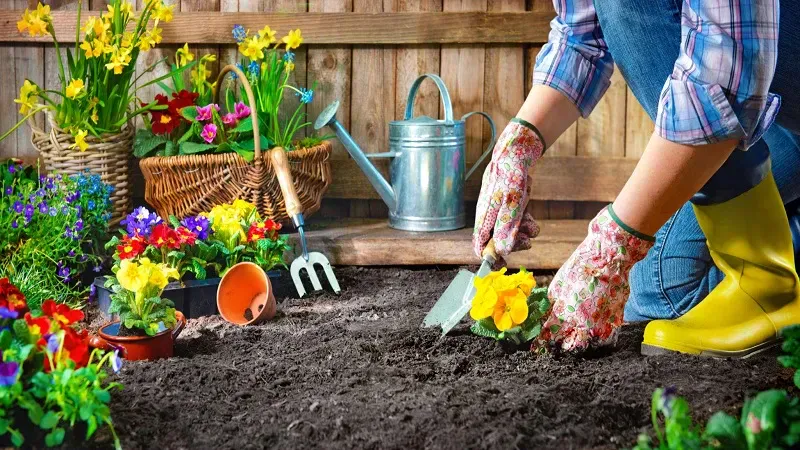
Healthy soil provides plants with water, nutrients, air, and physical support. Poor soil conditions can affect root development even when plants receive adequate sunlight.
Start by checking the texture and drainage of your soil.
Sandy soil generally drains quickly, while clay-rich soil can hold more water and become compacted. Loamy soil often provides a useful balance of drainage and moisture retention.
Use Compost Carefully
Compost adds organic matter and can improve soil structure. Well-prepared compost can also support beneficial soil organisms.
You can use suitable compost made from decomposed leaves, vegetable scraps, and other appropriate organic materials.
However, adding more compost is not always better. Soil conditions and existing nutrient levels should guide how much you use.
Penn State Extension recommends understanding soil characteristics and using appropriate organic amendments rather than treating every garden soil in the same way.
Test Soil When Necessary
A soil test can help identify pH levels and nutrient deficiencies. This is particularly useful when plants repeatedly struggle despite reasonable watering and care.
Avoid applying fertilizer simply because a plant looks unhealthy. Yellow leaves and poor growth can have several causes, including drainage problems, insufficient sunlight, and root damage.
Create a Balanced Garden Layout
A well-organized garden should be attractive and functional. Instead of filling every empty space with plants or decorations, divide the area according to how you want to use it.
You might create separate areas for:
-
Flower beds and ornamental plants.
-
Small vegetable or herb gardens.
-
Outdoor seating and relaxation.
-
Walking paths and garden entrances.
-
Decorative containers and focal points.
Think about how people move through the space. Keep frequently used pathways clear and position seating where it does not interfere with gardening activities.
Use Different Plant Heights
Combining plants of different heights can make a garden look more organized.
Place taller plants toward the back of a flower bed or along suitable boundaries. Medium-sized plants can occupy the middle, while smaller flowers and groundcovers can fill the front.
This arrangement also helps prevent shorter plants from being hidden behind larger varieties.
Repeat Colors and Plant Shapes
Using too many unrelated colors can make a garden appear crowded.
Choose a small group of complementary colors and repeat them throughout the space. You can create visual consistency by using similar flower varieties, matching containers, and coordinated garden materials.
The goal is not to make every section identical. It is to create a natural connection between different areas.
Water Plants According to Their Needs
Watering is one of the most important parts of garden maintenance, but excessive watering can be just as harmful as insufficient watering.
Different plants have different moisture requirements. Soil type, container size, temperature, rainfall, and plant maturity also influence watering needs.
Before watering, check the soil around the roots.
If the soil is still sufficiently moist, additional water may not be necessary. If it has become dry, water according to the requirements of that particular plant.
Water the Root Area
Directing water toward the soil helps deliver moisture where plants need it.
Repeatedly wetting leaves can increase disease risks for certain plants, particularly when foliage remains wet for extended periods.
Morning watering is often practical because it allows moisture to reach the root area before the hottest part of the day.
Consider Drip Irrigation
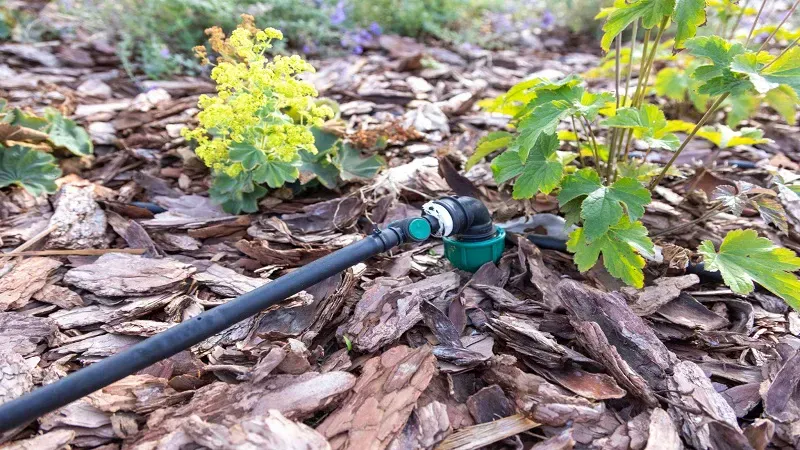
Drip irrigation and soaker hoses can deliver water closer to plant roots. They are useful options for larger beds and gardens where hand watering becomes time-consuming.
Check irrigation lines regularly for blockages and leaks.
The EPA also recommends water-efficient landscaping practices, including suitable plant selection, improved soil, and appropriate irrigation methods.
Use Mulch to Protect Garden Soil
Mulching is a practical way to improve planting beds while reducing routine maintenance.
Organic materials such as shredded leaves, suitable compost, straw, and wood chips can be spread over the soil surface.
A properly applied mulch layer can:
-
Reduce moisture loss.
-
Limit the growth of some weeds.
-
Moderate soil temperatures.
-
Protect exposed soil from erosion.
-
Add organic matter as natural materials decompose.
Apply mulch according to the plants and material being used. Avoid piling it against stems or tree trunks because excessive moisture around plant bases can contribute to rot.
For many landscape beds, a layer of approximately two to four inches is suitable, although the appropriate depth depends on the material and planting situation.
Make Small Gardens More Useful
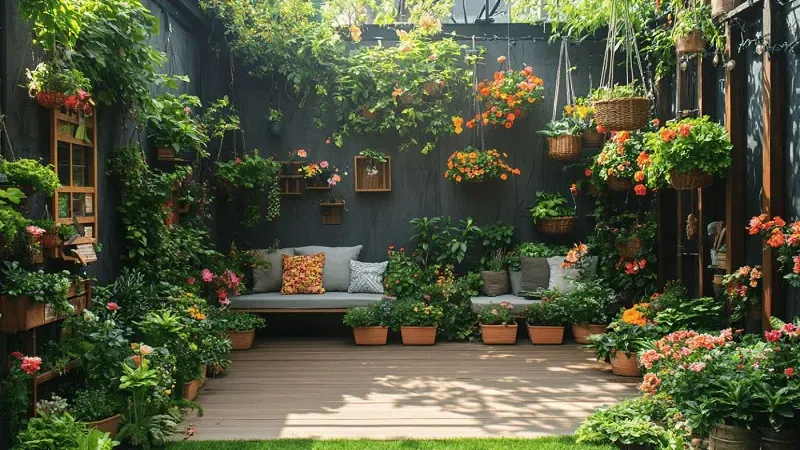
Limited outdoor space does not mean you cannot create an attractive garden.
The key is to use available space efficiently rather than introducing too many features.
Try Vertical Gardening
Vertical gardening uses walls, trellises, hanging containers, and other upright structures to introduce greenery without occupying much ground space.
It can work particularly well on balconies, patios, and narrow outdoor areas.
Before installing wall planters, check that the structure can support their weight and that water drainage will not damage the building.
Use Suitable Containers
Containers provide flexibility because you can move them when sunlight or seasonal conditions change.
Choose pots with drainage holes and enough room for the plant’s roots. Different container sizes can also create an attractive arrangement.
For a small garden, a few carefully positioned containers are often more practical than dozens of unrelated pots.
Add Compact Seating
A small bench, folding chair, or compact outdoor table can make a garden more useful.
Position furniture where it does not block pathways or restrict access to plants. Choose materials suitable for outdoor weather conditions.
Control Weeds and Monitor Plant Health
Weeds compete with garden plants for sunlight, water, nutrients, and growing space.
Regular inspection makes weed management easier. Remove unwanted growth before it spreads and produces additional seeds.
However, not every insect or damaged leaf indicates a serious pest problem.
Some insects are beneficial because they help with pollination or feed on garden pests.
Before applying pesticides, identify the problem and consider whether it is causing significant damage.
Penn State Extension recommends an integrated approach that begins with healthy growing conditions, regular monitoring, and non-chemical controls where appropriate.
Watch for Common Warning Signs
Yellow leaves: Check watering, drainage, sunlight, and possible nutrient deficiencies.
Wilting plants: Inspect soil moisture and roots before assuming that more water is needed.
Damaged leaves: Look for insects, fungal symptoms, and physical damage.
Slow growth: Consider overcrowding, unsuitable temperatures, poor soil, or insufficient light.
Identifying the underlying problem is usually more effective than applying several treatments without knowing the cause.
Improve Garden Appearance With Simple Decorations
Garden decorations should support the space rather than become its main focus.
A few carefully selected features can make an outdoor area feel more welcoming.
Consider adding:
Garden pathways: Gravel, stepping stones, bricks, and other suitable materials can connect different garden sections.
Decorative planters: Matching or complementary pots can make entrances and seating areas more attractive.
Outdoor lighting: Solar lights and suitable outdoor fixtures can improve visibility around pathways and seating areas.
Natural focal points: A flowering shrub, distinctive tree, or attractive planter can provide visual interest.
Privacy features: Trellises, suitable shrubs, and outdoor screens can help create a more private environment.
For electrical installations, use outdoor-rated equipment and follow applicable safety requirements.
Maintain Your Garden With a Simple Routine
Regular maintenance prevents small problems from becoming expensive or difficult to manage.
Instead of waiting until the garden looks neglected, divide maintenance into manageable tasks.
| Frequency | Gardening task |
|---|---|
| Daily or as needed | Check moisture and inspect delicate plants |
| Weekly | Remove weeds and check for pest damage |
| Every few weeks | Inspect mulch, containers, and irrigation |
| Seasonally | Review planting choices and prune suitable plants |
| As needed | Add compost or fertilizer based on plant requirements |
The exact schedule will depend on the garden’s size, climate, and plant varieties.
Avoid pruning every plant at the same time. Flowering shrubs, fruit trees, and ornamental plants can have different pruning requirements.
A consistent routine makes garden care more manageable and helps you notice changes before they become serious.
Make Gardening More Sustainable
A sustainable garden uses resources carefully and works with natural growing conditions.
You do not need expensive equipment to make useful improvements.
Start with simple practices such as composting suitable garden waste, reusing appropriate containers, collecting rainwater where practical, and choosing plants that suit your environment.
Reduce unnecessary fertilizer and pesticide applications. Healthy soil, appropriate plant selection, and good watering practices can prevent many common problems.
You can also leave some suitable areas undisturbed to provide habitat for beneficial insects and other garden wildlife.
The EPA recommends regionally appropriate plants and water-conscious landscaping as ways to support healthier outdoor environments.
Common Gardening Mistakes to Avoid
Even a well-planned garden can develop problems when basic growing requirements are overlooked.
Here are several mistakes worth avoiding.
Buying plants without checking sunlight: A plant that needs direct sunlight may struggle in a shaded corner.
Overwatering: Constantly wet soil can damage roots and encourage certain diseases.
Ignoring drainage: Waterlogged planting areas can affect plant health even when the soil contains nutrients.
Planting too closely: Overcrowding can restrict airflow and increase competition for resources.
Using excessive fertilizer: Additional nutrients are not automatically beneficial and can create imbalances.
Applying mulch incorrectly: Piling mulch against plant stems or tree trunks can create moisture-related problems.
Ignoring mature plant size: Small nursery plants may eventually become too large for their original locations.
Learning from these mistakes helps reduce unnecessary work and creates a stronger foundation for long-term garden care.
A Simple Plan for Improving Your Garden
If you are unsure where to begin, follow this practical sequence.
1: Inspect your space. Identify sunlight, shade, drainage, and existing plants.
2: Set a clear purpose. Decide whether you want flowers, vegetables, a seating area, or a combination.
3: Check growing conditions. Examine the soil and identify the plants that suit your environment.
4: Prepare the planting area. Remove unwanted weeds and improve the soil where necessary.
5: Arrange plants carefully. Consider mature size, sunlight requirements, and spacing.
6: Organize watering. Use an appropriate watering method and check soil moisture regularly.
7: Add finishing touches. Introduce pathways, containers, seating, and lighting after the basic layout is established.
This sequence helps you prioritize plant health and functionality before spending money on decorative improvements.
Conclusion
A successful garden does not require an expensive redesign or a large outdoor area. It requires thoughtful planning, suitable plants, healthy soil, appropriate watering, and regular maintenance.
The most useful Decoradyard Garden Tips by Decoratoradvice are those that help you understand your outdoor environment and make practical decisions based on its actual needs.
Start with a small improvement, observe how your plants respond, and make changes gradually. With consistent attention, even a modest outdoor space can become a comfortable and attractive part of your home.
Frequently Asked Questions
What are Decoradyard Garden Tips by Decoratoradvice?
They are practical gardening and outdoor design ideas covering plant selection, garden layouts, soil improvement, watering, decoration, and regular maintenance. The main goal is to create an attractive garden that remains functional and manageable.
How can I make my garden look beautiful on a small budget?
Start by cleaning the existing space, removing weeds, arranging current plants, and reusing suitable containers. Add a simple pathway or a few coordinated decorative features instead of purchasing expensive landscaping materials.
Which plants are suitable for a beginner’s garden?
Choose plants that match your local climate, sunlight, and available growing space. Start with varieties that have straightforward care requirements and avoid selecting plants that need conditions your garden cannot provide.
How often should I water garden plants?
There is no universal watering schedule. Check soil moisture and consider plant type, temperature, rainfall, and drainage before watering.
Why is compost important for gardening?
Compost adds organic matter and can improve soil structure. It supports a healthier growing environment, but its use should depend on existing soil conditions and plant requirements.
How can I maintain a garden with limited time?
Choose suitable plants, group varieties with similar watering requirements, apply appropriate mulch, and establish a simple maintenance routine. Efficient irrigation can also reduce repetitive watering work.
What is vertical gardening?
Vertical gardening involves growing plants on upright structures such as trellises, hanging planters, and wall-mounted containers. It helps make better use of limited ground space.
How can I protect plants from common pests?
Inspect plants regularly, identify the pest, remove affected material where appropriate, and encourage beneficial insects. Use pesticides only when necessary and follow product instructions.
Is mulching useful for home gardens?
Yes. Suitable mulch can help conserve soil moisture, suppress some weeds, and moderate soil temperatures. Organic mulch can also contribute organic matter as it decomposes.
What is the first step in creating a healthy garden?
Begin by understanding your garden’s sunlight, soil, drainage, and available water. These conditions help determine which plants will grow successfully and how much maintenance they will require. See More