
A comfortable and attractive home does not always require expensive furniture, major construction, or a complete renovation. Sometimes, a few thoughtful improvements can make everyday living easier and give familiar spaces a completely different appearance.
The most effective approach is to understand what your home actually needs before spending money. Better lighting, functional storage, fresh wall finishes, improved furniture arrangements, and carefully selected accessories can make a noticeable difference.
Decoradhouse Upgrade Tips by DecoratorAdvice focus on practical ways to improve a home’s appearance, comfort, and functionality without making unnecessary changes. Whether you want to refresh one bedroom, improve your kitchen, organize a small living area, or modernize several rooms, a clear plan can help you achieve better results.
Understanding What Your Home Needs Before Upgrading
Every home has different requirements. A small apartment may need better storage and furniture placement, while a larger house might benefit from improved lighting, updated finishes, or outdoor improvements.
Starting with a proper assessment helps you avoid spending money on things that do not solve existing problems.
Walk through each room and pay attention to its condition. Look for damaged surfaces, poor lighting, unused corners, insufficient storage, and furniture that makes movement difficult.
Consider how each space is used throughout the day. A living room should support relaxation and social activities, while a bedroom should provide a comfortable environment for rest.
Once you understand these needs, write down the improvements that would make the biggest difference.
Create a Practical Home Improvement Priority List
Not every upgrade deserves immediate attention. Some improvements affect safety and maintenance, while others are mainly decorative.
A useful priority order is:
-
Repair leaks, damaged surfaces, and safety problems.
-
Address electrical, plumbing, and ventilation concerns.
-
Improve lighting and everyday functionality.
-
Organize storage and furniture arrangements.
-
Refresh paint, flooring, and other finishes.
-
Add decorative accessories and personal details.
This approach prevents a common mistake: decorating an area before resolving the problem underneath it.
For example, painting a wall affected by moisture will not solve the underlying issue. Identify and repair the source of the moisture before applying a new finish.
Set a Realistic Budget Before Starting
A home improvement project becomes easier to manage when you know how much you can comfortably spend.
Instead of purchasing everything at once, divide your budget into essential repairs, functional improvements, and decorative changes.
Essential repairs should receive attention first. Functional improvements include better lighting, useful storage, and furniture adjustments. Decorative changes include artwork, curtains, rugs, and accessories.
Get prices for materials and labor before committing to a project. Compare more than one estimate when hiring professionals, and keep a separate reserve for unexpected expenses.
It is also helpful to divide larger projects into smaller stages. You might improve the bedroom this month and update the living room later.
This makes the process more manageable and reduces the pressure to finish everything immediately.
Improve Your Living Room Without Replacing Everything
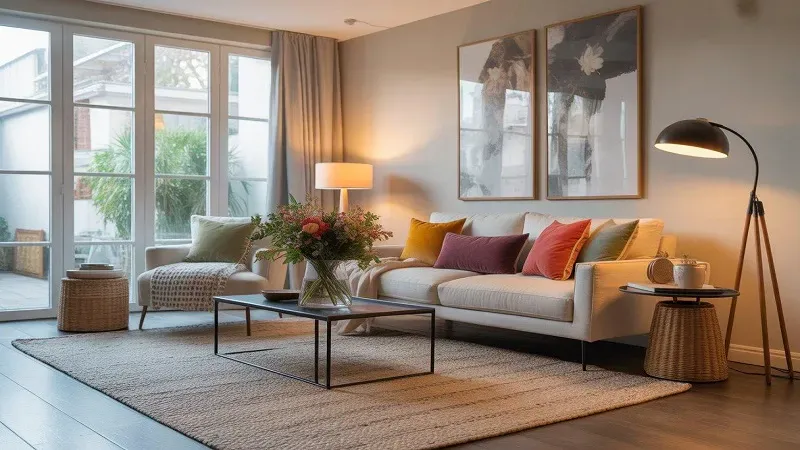
The living room is often one of the most frequently used spaces in a home. It should feel welcoming, organized, and comfortable without becoming overcrowded.
One of the simplest improvements is rearranging existing furniture. Move pieces around to create clear walking paths and make conversations easier.
If the room feels cramped, consider removing furniture that serves little purpose. A more open arrangement can make the available space feel more useful.
Use Lighting to Change the Atmosphere
Lighting influences how a room looks and functions. Relying on one overhead fixture can leave some areas too dark while making others feel overly bright.
Consider combining different lighting sources.
A floor lamp can brighten a reading corner, while a table lamp can provide softer light beside a sofa. Focused lighting can also highlight artwork, shelves, or decorative features.
Choose bulbs that suit the activity and atmosphere of the room. Warm lighting often works well in relaxing spaces, while clearer task lighting is useful for reading and other activities.
Refresh Textiles and Decorative Details
You do not need a new sofa to give your living room a fresh appearance.
Changing cushion covers, adding a textured throw, or introducing a suitable area rug can create visual interest.
Choose colors that complement existing furniture instead of introducing too many unrelated shades.
Curtains should suit the window size and the room’s overall design. Properly fitted curtains can improve privacy and help control incoming sunlight.
Keep decorative arrangements balanced. A few meaningful objects often look better than filling every available surface.
Make Your Bedroom More Comfortable
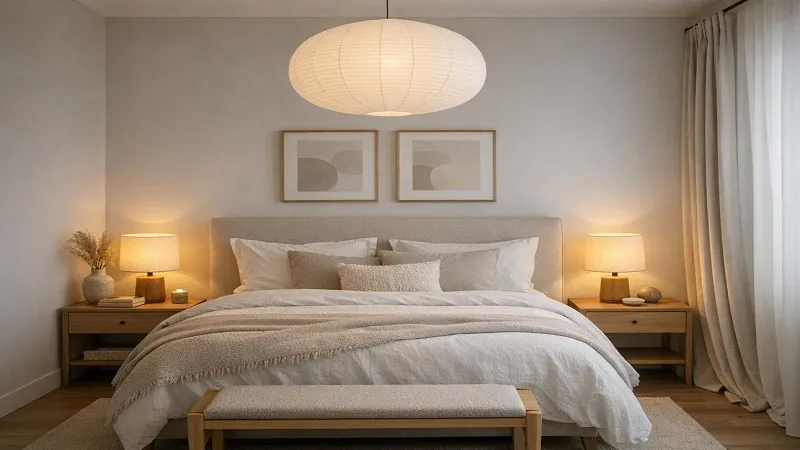
A bedroom should support relaxation and provide enough space for everyday activities.
Start by removing unnecessary objects from bedside tables, shelves, and the floor. Clutter can make even a spacious bedroom feel uncomfortable.
Consider updating bedding, curtains, and lighting before purchasing new furniture.
Choose a Calm Color Combination
Color plays an important role in bedroom design. Soft neutrals, muted greens, gentle blues, and warm earthy shades can create a calm visual environment.
You do not need to repaint every wall. Sometimes changing bedding or adding a few coordinated accessories is enough to introduce a different color scheme.
Try to maintain consistency between the walls, furniture, curtains, and decorative elements.
Make Better Use of Available Space
Storage becomes particularly important in smaller bedrooms.
Under-bed containers, wall-mounted shelves, and practical bedside furniture can help keep everyday belongings organized.
If you have limited floor space, consider furniture that serves more than one purpose. A storage bench, for example, can provide seating and additional space for belongings.
Avoid placing too many decorative objects around the bed. Leave enough room to move comfortably.
Upgrade Your Kitchen With Practical Changes
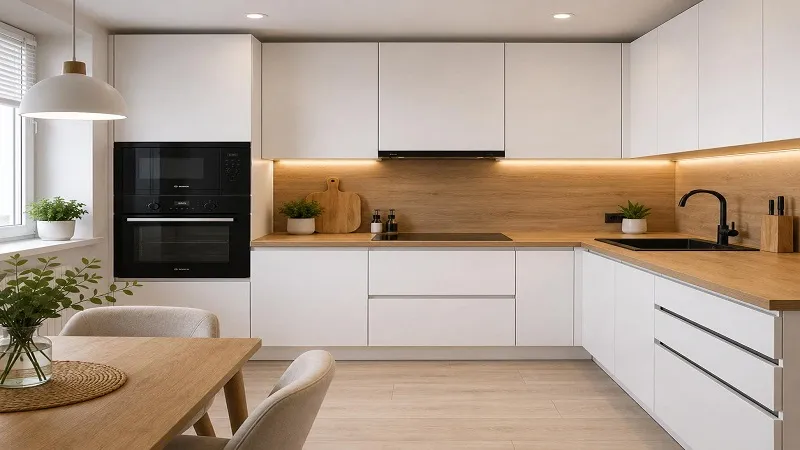
A kitchen should be easy to clean, comfortable to use, and organized around everyday activities.
A complete kitchen renovation can be expensive, but smaller improvements can make an existing kitchen more practical.
Begin by examining cabinet storage, countertop space, lighting, and the condition of frequently used fixtures.
Refresh Cabinets and Hardware
Cabinet handles and knobs are small details that influence the overall appearance of a kitchen.
Replacing worn or mismatched hardware can give cabinets a more consistent look.
If cabinet surfaces are still in good condition, suitable paint or refinishing may be worth considering. However, prepare the surfaces correctly and choose products designed for the specific material.
Do not paint over damaged or moisture-affected surfaces without repairing them first.
Improve Kitchen Organization
A well-organized kitchen saves time during meal preparation.
Drawer dividers can separate utensils, while containers can help organize dry ingredients. Shelves can provide additional storage when installed safely and positioned where they will be useful.
Keep frequently used items within easy reach. Store occasional-use equipment in less accessible cabinets.
Good organization should make cooking easier rather than simply making the kitchen look attractive.
Pay Attention to Kitchen Lighting
Kitchen lighting needs to support different activities.
General lighting illuminates the entire room, while task lighting helps make food preparation and cleaning easier.
Under-cabinet lights can reduce shadows on countertops. Before installing new electrical fixtures, check the existing wiring and seek professional assistance when necessary.
Give Your Bathroom a Simple Refresh
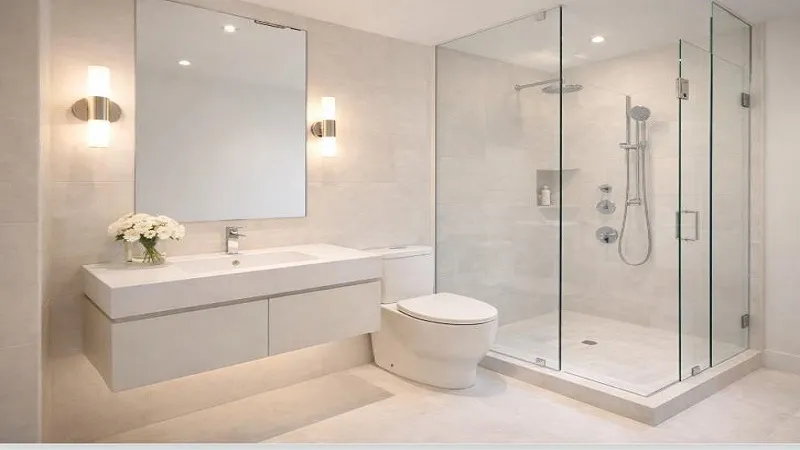
Bathrooms require a combination of cleanliness, suitable ventilation, practical storage, and durable materials.
You can improve the appearance of an existing bathroom without replacing every fixture.
Start with the basics. Repair leaking taps, address damaged sealant, check for signs of moisture, and make sure ventilation is working properly.
After addressing these issues, consider cosmetic improvements.
A new mirror can change the appearance of the vanity area. Coordinated towels, a suitable shower curtain, and organized toiletries can also make the space feel more finished.
Choose Materials That Suit Moisture-Prone Areas
Bathrooms experience regular exposure to water and humidity.
Choose materials that are appropriate for wet environments. Ordinary decorative products may deteriorate quickly if they are not designed for moisture exposure.
Do not cover persistent dampness with paint or decorative panels. Find the source of the problem and arrange suitable repairs.
Improve Lighting and Natural Brightness
Lighting is an important part of home improvement because it affects visibility, comfort, and the appearance of interior finishes.
Start by making better use of the natural light already available.
Keep windows clean and avoid placing large objects directly in front of them. Suitable curtains can provide privacy without unnecessarily blocking daylight.
Mirrors can also help distribute available light when positioned thoughtfully.
For artificial lighting, consider three basic categories.
Ambient lighting provides general illumination throughout a room.
Task lighting supports specific activities such as reading, cooking, or working.
Accent lighting highlights selected features, including artwork, architectural details, and display shelves.
Combining these types creates a more flexible lighting arrangement.
When improving insulation or sealing air leaks, remember that ventilation must also be considered. The US Department of Energy explains that air sealing and ventilation need to work together to maintain indoor comfort and air quality.
Make Small Spaces More Functional
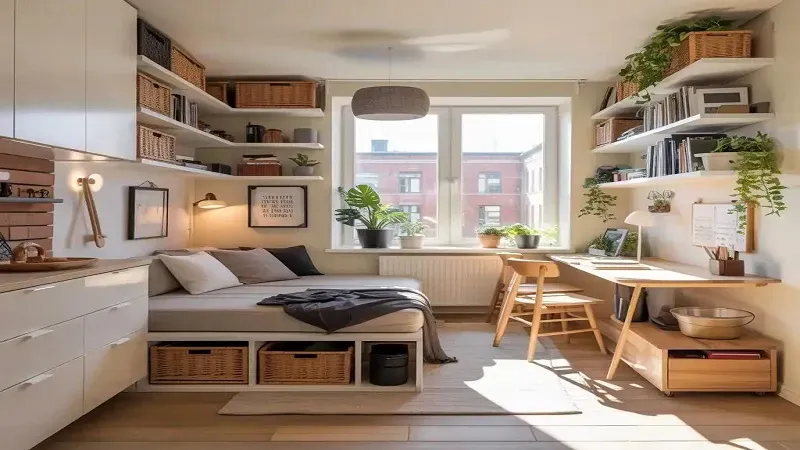
Small rooms require careful planning because every piece of furniture occupies valuable space.
Instead of filling the room with decorative furniture, focus on pieces that solve practical problems.
Wall-mounted shelves can use vertical space. Folding tables can provide a work surface when needed, while storage ottomans can combine seating with additional storage.
Use Vertical Storage
Walls offer useful storage opportunities in rooms with limited floor space.
Floating shelves, wall organizers, and suitable cabinets can keep frequently used items accessible.
However, always check the wall material and use appropriate fixings. Heavy objects should not be mounted using unsuitable anchors.
Choose Furniture With Multiple Uses
Multifunctional furniture can make small homes easier to organize.
Consider a bed with storage drawers, a compact dining table, or a desk that can double as a study area.
Measure the room before purchasing anything. Check the dimensions of doorways, staircases, and access routes to avoid delivery problems.
Refresh Walls, Floors, and Other Surfaces
Walls and floors have a significant influence on the overall appearance of an interior.
A fresh coat of suitable paint can make a room feel cleaner and more coordinated. However, surface preparation is essential.
Clean the area, repair minor imperfections, and select a finish suitable for the surface and room conditions.
For flooring, consider durability, maintenance requirements, moisture exposure, and comfort.
Wood-look flooring may suit a living room, while moisture-resistant flooring is more appropriate for bathrooms and other wet areas.
Avoid selecting materials based only on appearance. A practical finish should also match the way the room is used.
Consider Energy Efficiency and Home Maintenance
A beautiful home should also be comfortable and reasonably efficient to maintain.
Energy-related improvements can address problems that decorative changes cannot solve.
Check doors and windows for noticeable drafts. Inspect weatherstripping and look for gaps around suitable openings.
The US Department of Energy identifies caulking and weatherstripping as useful methods of reducing air leakage. It also explains how insulation helps limit heat transfer through the building envelope.
However, do not seal ventilation openings or interfere with combustion appliance ventilation.
Maintain Air Conditioning and Ventilation Systems
Heating and cooling systems should be maintained according to manufacturer instructions.
Clean or replace filters as recommended and arrange professional inspections when necessary.
Bathrooms and kitchens also need appropriate ventilation to manage humidity, cooking odors, and indoor pollutants.
If you notice persistent condensation, musty odors, or visible mold, investigate the underlying moisture problem instead of covering it with decorative changes.
Choose Improvements That Last
Durability is an important part of responsible home improvement.
Consider repairability, maintenance requirements, and the expected lifespan of materials before purchasing them.
Buying the cheapest option is not always the most economical decision if it requires frequent replacement.
Choose practical finishes that match your household’s daily needs.
Improve Outdoor Areas and Entryways
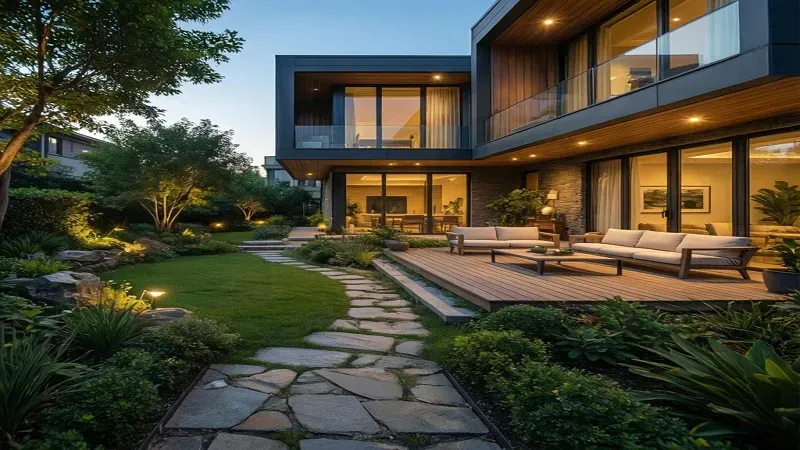
Outdoor spaces contribute to the overall appearance and usability of a property.
A clean entrance, maintained pathways, suitable lighting, and healthy plants can improve the way a home feels before someone even enters.
Start by cleaning the entrance and removing unnecessary objects.
Add a suitable doormat, organize shoes, and consider a small storage bench if space allows.
For a balcony or patio, choose furniture that fits the available area and can withstand local weather conditions.
Create a Simple Outdoor Seating Area
A small outdoor seating area can make a balcony, garden, or patio more useful.
Choose weather-appropriate chairs, a compact table, and a few suitable plants.
Avoid overcrowding the space. Leave enough room for comfortable movement and access.
If you plan to install permanent structures, modify drainage, or make exterior changes, check local building requirements before starting.
Know Which Projects Are Suitable for DIY
Not every home improvement requires a professional. Some projects are manageable with basic tools, careful preparation, and appropriate instructions.
Painting suitable interior walls, arranging furniture, organizing storage, replacing decorative hardware, and hanging lightweight artwork are examples of tasks many homeowners can undertake themselves.
Other projects require specialist knowledge.
Electrical modifications, gas installations, structural changes, major plumbing work, and significant roof repairs should be handled by appropriately qualified professionals.
Older properties also require additional care. For example, the US Environmental Protection Agency warns that renovation work disturbing lead-based paint in pre-1978 US housing can create hazardous dust. Its Renovation, Repair and Painting guidance explains the requirements for covered contractors and recommends lead-safe practices.
Requirements differ between countries, so homeowners should check the rules applicable to their property.
How to Choose a Reliable Home Improvement Contractor
Hiring the right professional can make a substantial difference to the quality and management of a renovation.
Before selecting someone, ask for recommendations and review their previous work.
Request written estimates from multiple contractors. Each estimate should explain the proposed work, materials, labor, expected schedule, and payment arrangements.
A detailed agreement helps prevent misunderstandings.
Make sure you understand what is included and what will count as additional work. Agree on how changes will be approved and documented.
The US Federal Trade Commission advises consumers to check licensing and insurance, obtain multiple written estimates, review contracts carefully, and avoid paying the full project cost upfront. Local legal requirements may differ.
Good communication is equally important. Discuss project expectations before work begins and arrange regular progress updates.
Common Home Upgrade Mistakes to Avoid
Even relatively simple improvements can become expensive when decisions are rushed.
One common mistake is purchasing furniture without measuring the available space. Always check dimensions and consider how items will fit through entrances.
Another mistake is following every interior design trend. Trends can provide inspiration, but expensive furniture and permanent finishes should suit your long-term preferences.
Ignoring maintenance is another problem. Leaking pipes, damaged surfaces, and poor ventilation should be addressed before decorative improvements.
Starting too many projects simultaneously can also create unnecessary stress. Complete one major project before moving to another whenever practical.
Finally, avoid selecting contractors based only on the lowest estimate. Understand the scope, materials, qualifications, and responsibilities included in each proposal.
A Practical Home Upgrade Checklist
Before beginning your next improvement project, use this checklist to keep your decisions organized.
-
Identify the main problem you want to solve.
-
Inspect the room and measure available space.
-
Address safety and maintenance concerns.
-
Set a realistic spending limit.
-
Compare suitable materials and finishes.
-
Decide which tasks you can safely complete yourself.
-
Arrange professional help for specialist work.
-
Improve lighting and storage where necessary.
-
Complete the main improvements before adding accessories.
-
Review the finished space and identify any remaining issues.
Following these steps makes it easier to focus on improvements that genuinely benefit your home.
Final Thoughts
A successful home improvement project is not measured by how much money you spend or how many new items you purchase. It is measured by how effectively the changes improve your everyday environment.
Thoughtful planning, practical furniture arrangements, suitable lighting, better storage, durable materials, and regular maintenance can make a home more comfortable and functional.
The best approach is to begin with the areas that need attention most. Fix existing problems, establish a manageable budget, and complete improvements in a sensible order.
With these principles, Decoradhouse Upgrade Tips by DecoratorAdvice provide a useful starting point for anyone who wants to create a home that looks attractive, feels comfortable, and supports everyday living.
Frequently Asked Questions
What are Decoradhouse Upgrade Tips by DecoratorAdvice?
They are practical home improvement ideas focused on making living spaces more attractive, comfortable, organized, and functional through thoughtful upgrades and manageable changes.
How can I upgrade my home on a limited budget?
Start with decluttering, rearranging furniture, improving lighting, refreshing textiles, and organizing storage. Address essential repairs before spending money on decorative accessories.
Which room should I upgrade first?
Start with the room that has the greatest functional problems or that you use most frequently. Prioritize repairs and safety concerns before cosmetic improvements.
What are the easiest DIY home upgrades?
Painting suitable interior walls, changing decorative cabinet hardware, organizing shelves, rearranging furniture, and updating curtains are accessible starting points for many homeowners.
How can I make a small room look bigger?
Use appropriate lighting, reduce unnecessary furniture, maintain clear walking paths, introduce mirrors, and make better use of vertical storage.
Are home improvements worth the investment?
They can be worthwhile when they solve practical problems, improve comfort, reduce maintenance needs, or address energy efficiency. The financial return depends on the property, project, location, and cost.
How can I improve my kitchen without a complete renovation?
Consider replacing cabinet handles, organizing drawers, improving task lighting, refreshing suitable cabinet surfaces, and making better use of existing storage.
What should I consider before hiring a contractor?
Check qualifications, relevant licenses, insurance, references, written estimates, project scope, materials, payment terms, and the proposed completion schedule.
How can I make my home more energy efficient?
Consider appropriate insulation, air sealing, efficient lighting, maintained heating and cooling equipment, and suitable ventilation. Choose improvements based on your home’s actual conditions.
Should I complete home upgrades one room at a time?
For many households, yes. Working on one room at a time makes budgeting, organization, and project completion easier. See More