

A successful home renovation is not simply about changing wall colors, buying modern furniture, or following the latest interior design trends. It is about creating a living space that feels comfortable, looks welcoming, and supports everyday activities. The right improvements can make a home more organized, functional, and easier to maintain without requiring unnecessary spending.
DecoratorAdvice com is a useful search phrase for readers exploring home decorating and renovation ideas. Homeowners interested in practical improvements can benefit from understanding their property’s needs, setting realistic priorities, choosing suitable materials, and planning changes carefully. Whether you want to refresh one room or improve your entire house, a thoughtful approach can help you make better decisions.
Understanding the Purpose of Home Renovation
Before starting any renovation, consider what you want to improve. Every property has different requirements. Some homes need better storage, while others require updated flooring, improved lighting, or repairs to damaged areas.
The purpose of renovation should go beyond appearance. A beautiful room may still be inconvenient if furniture blocks walkways or there is insufficient storage. Similarly, expensive materials will not provide lasting satisfaction if the underlying building problems remain unresolved.
Start by walking through your home and identifying areas that create daily inconvenience. Write down the improvements you want to make and separate essential repairs from optional decorative changes.
This simple exercise gives your project a clear direction and helps prevent unnecessary purchases.
Create a Realistic Home Renovation Plan
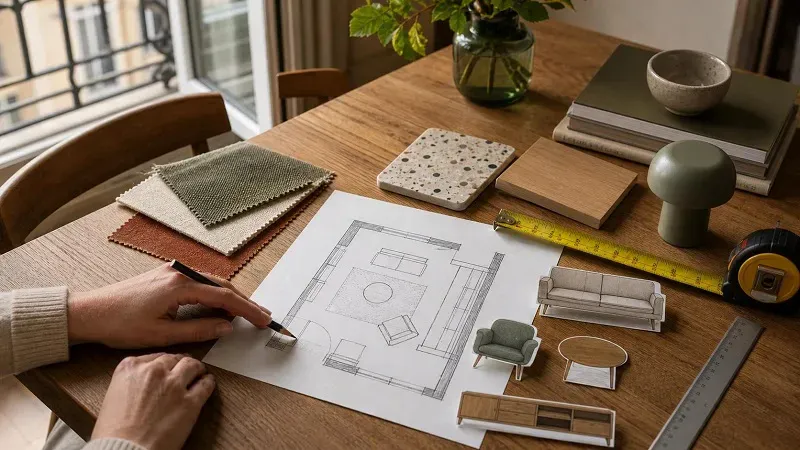
A renovation plan provides structure before money is spent. Without one, homeowners may purchase materials that do not match their measurements, change designs halfway through construction, or overlook important repair work.
Begin by measuring each room accurately. Record the dimensions of walls, windows, doors, and existing furniture. These measurements will help you determine whether new furniture, cabinets, flooring, or other installations will fit properly.
Next, decide which improvements should receive priority. Structural concerns, water leakage, damaged electrical systems, and plumbing problems deserve attention before decorative updates.
Create a written list of the work required in each room. Include the materials, estimated expenses, and professionals needed for each task.
A clear plan makes it easier to compare estimates, monitor progress, and avoid confusion during construction.
How to Prepare a Practical Renovation Budget
Budget management is one of the most important parts of home improvement. Even a small renovation can become expensive when homeowners overlook labor, transportation, installation, or unexpected repairs.
Start by determining the maximum amount you can comfortably spend. Divide the available money into categories such as repairs, materials, labor, fixtures, furniture, and finishing work.
Do not spend the entire budget on visible improvements. Hidden problems may appear after old flooring, cabinets, or wall coverings are removed.
Keep a separate contingency reserve for unexpected expenses. The appropriate amount depends on the property’s condition and project complexity, so avoid treating one percentage as suitable for every renovation.
Compare multiple written estimates before selecting a contractor. Check whether each estimate includes the same materials, labor, preparation, and finishing work. A lower quotation may exclude important services.
Maintain a record of purchases, receipts, payments, and approved changes. This makes it easier to understand where the money is going and identify unnecessary expenses.
Repair Important Problems Before Decorating

One of the most useful renovation principles is to fix the underlying problem before improving the appearance.
Fresh paint cannot solve a leaking roof. Decorative wall panels cannot repair damp walls. New bathroom tiles will not prevent future damage if the waterproofing underneath is defective.
Inspect the property for visible cracks, damp patches, leaking pipes, damaged ceilings, loose electrical fittings, and drainage problems. Also check doors, windows, ventilation, and flooring.
Some problems require professional inspection. Structural damage, major electrical faults, gas-related work, and complicated plumbing should not be treated as ordinary DIY projects.
Older properties may also contain hazardous building materials. The United States Environmental Protection Agency advises homeowners to seek qualified assessment when suspected asbestos-containing materials could be disturbed during renovation. Local safety requirements differ, so follow the guidance applicable to your location.
Taking care of these issues first protects the investment made in later improvements.
Improve Room Layouts for Everyday Comfort
A practical layout can make an existing room feel more spacious without increasing its physical size.
Start by examining how people move through the room. Keep important pathways clear and avoid placing large furniture where it interrupts movement.
In living rooms, arrange seating to encourage conversation while maintaining comfortable access to doors and windows. Choose furniture that suits the room’s dimensions rather than purchasing oversized pieces simply because they look attractive.
Bedrooms should provide enough room to move around the bed, open wardrobes, and access frequently used items. If storage is limited, consider wall-mounted shelves or furniture with built-in compartments.
In kitchens, pay attention to the relationship between cooking, washing, food preparation, and storage areas. Frequently used items should remain accessible without overcrowding work surfaces.
A well-planned layout improves usability and can make everyday household activities easier.
Choose Materials That Match Your Lifestyle
The right materials should balance appearance, durability, maintenance, and cost.
For example, frequently used areas need surfaces that can withstand regular activity. Kitchen countertops should be practical to clean, while bathroom flooring should provide suitable slip resistance.
Before purchasing materials, consider the following questions:
- Is the material appropriate for the room?
- Can it handle moisture and regular use?
- Is it easy to clean and maintain?
- Are replacement parts readily available?
- Does the supplier provide a warranty?
- Will its appearance work with the rest of the house?
Always request product specifications and installation instructions where appropriate. Do not rely entirely on photographs because colors and finishes can appear different under different lighting conditions.
DecoratorAdvice com readers exploring renovation ideas should remember that the cheapest product is not automatically the most economical choice. A material that needs frequent replacement may cost more over time than a durable alternative.
Make Better Use of Natural and Artificial Lighting
Lighting influences how a room looks and how comfortably it can be used.
Begin by observing the natural light entering each room. Notice which areas receive direct sunlight and which remain dark during the day. Window coverings, furniture placement, and reflective surfaces can influence how bright a space feels.
Artificial lighting should serve different purposes. General lighting provides overall visibility, task lighting supports activities such as reading or cooking, and accent lighting highlights selected decorative features.
In a kitchen, suitable lighting above preparation areas can make everyday tasks easier. Bedrooms may benefit from softer bedside lighting, while living rooms can use a combination of general and localized lights.
LED lighting is worth considering because it is generally energy-efficient compared with traditional incandescent lighting. However, select brightness and color temperature according to the room’s purpose.
Good lighting should improve visibility without creating uncomfortable glare.
Budget-Friendly Ways to Refresh Your Home
Not every home improvement requires major construction. Smaller updates can improve the appearance and usefulness of a room when selected carefully.
Repainting a wall can refresh an interior without replacing existing furniture. Updating cabinet handles can give an older kitchen a different appearance. New curtains, organized shelves, suitable rugs, and carefully positioned mirrors can also change the atmosphere of a room.
Furniture rearrangement is another inexpensive option. Before purchasing new items, experiment with different layouts and remove objects that create unnecessary clutter.
Consider repairing usable furniture instead of replacing it. A damaged chair, old table, or worn cabinet may become useful again with appropriate repairs and refinishing.
Focus on the improvements that solve actual problems. Spending money on decorative accessories while ignoring poor storage or damaged fixtures will not necessarily make a home more comfortable.
Renovation Ideas for Small Homes
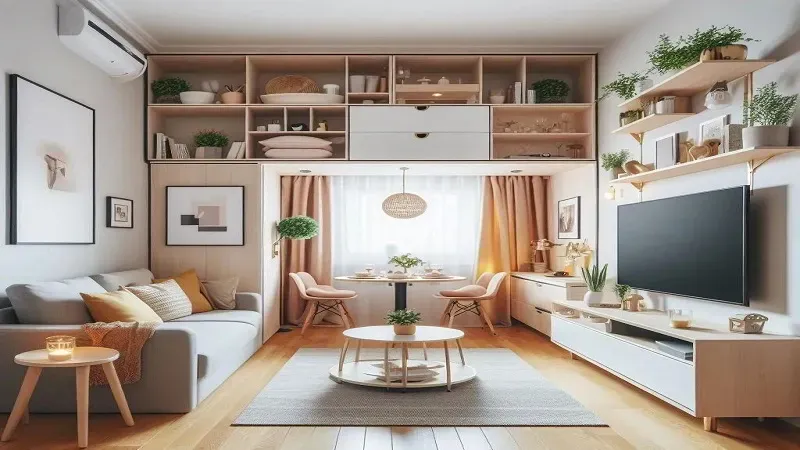
Small homes require careful decisions because available space is limited. Adding too much furniture or decoration can make rooms feel crowded.
Use vertical space where appropriate. Wall-mounted shelves, tall cabinets, and organizers can provide storage without taking up additional floor area.
Multi-purpose furniture can also help. A storage bed, folding table, or compact desk may serve more than one purpose.
Choose furniture according to the room’s measurements. Leave enough space for doors, drawers, and walkways to function properly.
Light colors can create a brighter visual appearance, but they are not a substitute for good organization. Removing unnecessary items and maintaining clear surfaces often makes a more noticeable difference.
The objective is not to make every small room look empty. It is to use the available space intelligently.
Improve Kitchens and Bathrooms Carefully
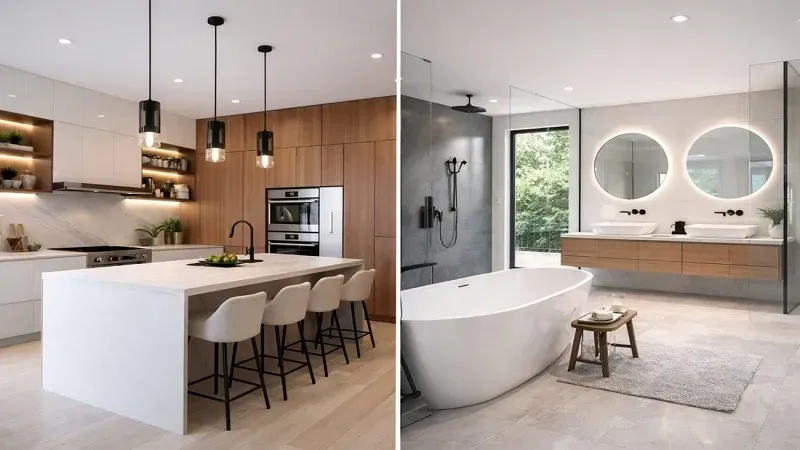
Kitchens and bathrooms require particular attention because they involve water, moisture, fixtures, and frequently used surfaces.
In kitchens, inspect cabinets, countertops, plumbing connections, sinks, electrical fittings, and ventilation. Make sure storage arrangements support cooking and cleaning activities.
Choose countertop and cabinet materials according to their maintenance requirements. Check the quality of hinges, handles, and drawer fittings before installation.
Bathroom renovation should begin with plumbing, drainage, and waterproofing considerations. Look for signs of leakage around showers, sinks, toilets, and pipes.
Select suitable floor tiles with attention to slip resistance. Provide adequate ventilation to help control moisture, and choose products intended for bathroom conditions.
Do not cover existing water damage with new finishes. Find and correct the source before installing replacement materials.
Consider Energy Efficiency During Renovation
Renovation provides an opportunity to improve how a home uses energy.
Start with practical improvements such as sealing unwanted air gaps, maintaining windows and doors, using efficient lighting, and selecting suitable appliances.
Insulation may also help improve indoor comfort, depending on the building structure and local climate. However, insulation, ventilation, and moisture management should be considered together rather than as separate decisions.
The United States Department of Energy recommends a whole-house approach to energy improvements because changes to one part of a building can affect other systems.
Homeowners should compare available products and consider installation quality before making decisions. An upgrade that is unsuitable for the local climate or building design may not deliver the expected benefits.
How to Select a Reliable Renovation Contractor
Choosing a contractor is an important decision, particularly when a project involves several types of work.
Ask potential contractors about their experience with similar projects. Request examples of previous work and speak with references where possible.
Obtain written estimates that clearly explain the work, materials, labor charges, payment arrangements, and expected completion dates.
Before signing an agreement, clarify who will purchase materials, manage waste, arrange specialist workers, and handle unexpected problems.
Avoid relying entirely on verbal promises. Record approved changes in writing, including their effect on cost and timing.
Do not automatically select the cheapest quotation. Consider the contractor’s qualifications, communication, experience, and the clarity of the proposed work.
Local licensing, insurance, and permit requirements vary by jurisdiction. Check the rules that apply to your property before work begins.
Avoid Common Home Renovation Mistakes
Poor planning can turn a manageable renovation into an expensive and frustrating project.
One common mistake is purchasing materials before measurements and design decisions are final. This can result in unsuitable products and unnecessary replacement costs.
Another problem is beginning decorative work before essential repairs are complete. Newly installed finishes may need to be removed if hidden plumbing, electrical, or moisture problems are discovered later.
Changing plans repeatedly can also create delays. Finalize important decisions before ordering custom materials or scheduling specialist workers.
Homeowners should also avoid ignoring ventilation, choosing unsuitable flooring, overlooking storage, and failing to inspect completed work.
Keep communication with contractors consistent. Agree on how progress will be reviewed and how additional work will be approved.
Create a Final Renovation Inspection Checklist
Before considering a renovation complete, inspect the work carefully.
Check doors, windows, locks, cabinets, drawers, taps, drainage, electrical fittings, lighting, flooring, and wall finishes.
Look for visible damage, incomplete installations, uneven surfaces, and signs of leakage. Test fixtures and appliances according to their instructions.
Ask the contractor to correct agreed defects before final acceptance. Collect relevant receipts, warranties, product information, and maintenance instructions.
Photographs of concealed plumbing or electrical work, where safely documented before walls are closed, may also help with future maintenance.
A final inspection gives homeowners an opportunity to address unfinished work while the project details are still available.
Maintain Your Home After Renovation
Renovation does not end when the workers leave. Regular maintenance helps protect new installations and keeps the property comfortable.
Clean surfaces according to the manufacturer’s recommendations. Avoid using harsh cleaning products on materials that require special care.
Check taps, pipes, roof areas, windows, and damp-prone locations periodically. Clean ventilation systems and exhaust fans as recommended.
Deal with small problems early. A minor leak or loose fitting can become more difficult to repair if ignored.
Keep a folder containing warranties, contractor details, invoices, product specifications, and photographs of completed work. These records can make future repairs and replacements easier to manage.
Final Thoughts
A successful home renovation begins with understanding what your property needs. Careful planning, realistic budgeting, essential repairs, suitable materials, and functional room arrangements all contribute to better results.
DecoratorAdvice com is a relevant search phrase for people exploring home improvement and decorating guidance. The most valuable renovation ideas are those that help homeowners make informed decisions rather than encouraging unnecessary purchases or expensive changes.
Start with the improvements that matter most to your daily life. Build a realistic plan, seek professional assistance when necessary, and pay attention to long-term maintenance.
A comfortable home does not need to follow every design trend. It needs to work well for the people who live in it.
FAQ Section
What is DecoratorAdvice com?
DecoratorAdvice com is a search phrase associated with home decorating, interior improvement, and practical renovation guidance. Readers can use related renovation resources to explore ways to improve their living spaces.
How should I start renovating my home?
Start by inspecting your property, identifying necessary repairs, measuring rooms, establishing a budget, and deciding which improvements matter most.
How can I renovate my home on a limited budget?
Prioritize essential repairs, reuse suitable furniture, refresh existing surfaces, improve storage, and avoid unnecessary structural changes.
Should I repair or decorate my home first?
Complete essential repairs before decorative work. Address plumbing, electrical, structural, and moisture problems before installing new finishes.
How can I make a small home look more spacious?
Use appropriately sized furniture, vertical storage, organized layouts, light colors, mirrors, and clear walkways.
What materials should I choose for home renovation?
Choose materials according to durability, room conditions, maintenance requirements, safety, and available budget.
Is hiring a professional contractor necessary?
Professional assistance is recommended for structural changes, major electrical work, plumbing alterations, roofing, and other specialized tasks.
How can I prevent renovation expenses from increasing?
Prepare a detailed project scope, compare written estimates, finalize material selections, record additional work, and maintain an emergency reserve.
What should I inspect after renovation?
Check electrical fittings, plumbing, drainage, doors, windows, flooring, cabinets, lighting, and the quality of completed finishes.
How can I maintain my renovated home?
Clean materials according to their instructions, inspect plumbing and moisture-prone areas, maintain ventilation, and address minor damage promptly.