
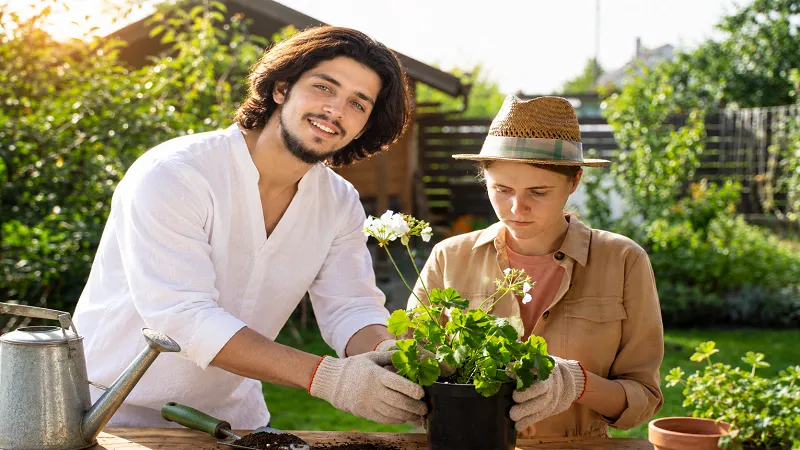
A beautiful garden makes a home look fresh, peaceful, and welcoming. Whether you have a large backyard, a small courtyard, or a few pots on a balcony, you can create an attractive outdoor space with the right planning and care. Gardening does not always require expensive tools or professional help. Simple methods, suitable plants, and regular maintenance can produce excellent results over time.
Following Decoradhouse garden tips by DecoratorAdvice can help you understand how to improve your garden, select suitable plants, maintain healthy soil, and create a comfortable outdoor environment. The key is to work according to your available space, local climate, and budget.
A successful garden should look attractive while providing healthy growing conditions for plants. In this guide, you will discover practical ideas for garden design, watering, soil preparation, weed control, and seasonal maintenance. These methods are suitable for beginners and homeowners who want to improve their outdoor spaces gradually.
1. Plan Your Garden Before Planting
Planning is the first step toward creating a beautiful garden. Before buying plants or decorations, examine the available space and decide how you want to use it. Consider whether you need a flower garden, a vegetable patch, a relaxing sitting area, or a combination of different features.
Observe how sunlight reaches your garden throughout the day. Some plants grow best in direct sunlight, while others prefer partial shade. Understanding these conditions helps you choose suitable plants and avoid unnecessary replacements.
Draw a simple garden layout and mark the areas where you want to place flowers, shrubs, pots, and pathways. Leave enough room for plants to grow naturally. Overcrowded arrangements can restrict airflow and make regular maintenance difficult.
Start with a small project if you are new to gardening. You can improve one section at a time and expand your design when you become more confident. This approach also helps control expenses and makes it easier to identify which ideas work best.
2. Choose the Right Plants for Your Climate
Plant selection plays an important role in garden health. Different plants have different requirements for temperature, sunlight, water, and soil. Choosing varieties that suit your local climate can reduce maintenance and improve growth.
Native plants are often useful because they are adapted to regional weather and soil conditions. Depending on the species, they may require less additional watering and provide food or shelter for local wildlife.
Flowering plants can introduce color, while shrubs and small trees create structure. Herbs such as mint, basil, and coriander can be practical choices for a kitchen garden when their growing requirements are suitable. Before purchasing any plant, check its expected size, sunlight needs, and watering requirements.
The most useful Decoradhouse garden tips by DecoratorAdvice encourage gardeners to select plants according to their actual growing conditions rather than appearance alone. Consider how much time you can spend on maintenance and choose plants that fit your routine.
3. Prepare Healthy Soil
Healthy soil provides the foundation for strong roots and steady plant growth. It supplies essential nutrients, stores moisture, and allows roots to receive oxygen. Poor soil conditions can lead to weak growth, yellow leaves, and fewer flowers.
Begin by examining your soil. Sandy soil usually drains quickly, while clay-heavy soil can retain water and become compacted. Loamy soil often offers a useful balance of drainage and moisture retention, although individual plants have different preferences.
Adding mature compost can improve soil structure and increase organic matter. Mix suitable compost into garden beds before planting, following the needs of the plants and the condition of the soil. A soil test can help identify pH problems or nutrient deficiencies.
Avoid adding fertilizer without understanding whether your plants need it. Excessive fertilizer may damage roots and contribute to environmental pollution. Follow product instructions carefully and store gardening products safely.
Regularly adding appropriate organic matter and protecting soil from erosion can improve its condition over time. Healthy soil supports stronger plants and can make garden maintenance easier.
4. Water Plants the Right Way
Watering is essential, but too much or too little water can damage plants. Overwatering may reduce oxygen around the roots and encourage root diseases, while underwatering can cause wilting and slow growth.
Check soil moisture before watering. The surface may look dry even when deeper soil remains moist, so examine the soil near the root zone when appropriate. Consider the plant species, weather, soil type, and container size before deciding how much water is needed.
Water near the base of plants so moisture reaches their roots. Early morning is often a practical time because water can soak into the soil before temperatures rise. Avoid creating waterlogged conditions, particularly for plants that prefer well-drained soil.
Drip irrigation can deliver water directly to plant roots and reduce waste. Rainwater collection may also be useful where local rules and conditions permit it.
Do not follow the same watering schedule throughout the year. Hot weather, rainfall, wind, and seasonal changes all affect plant needs. Adjust your routine according to the actual condition of the garden.
5. Make Small Gardens Look Bigger
Small gardens can be beautiful and functional when their space is used carefully. You do not need a large lawn to enjoy greenery, colorful flowers, or a relaxing outdoor area.
Container gardening is a practical solution for balconies, patios, and compact courtyards. Choose pots with drainage holes and enough room for the roots to develop. Arrange containers according to plant height, color, and sunlight requirements.
Vertical gardening can create additional growing space. Trellises, wall-mounted planters, and suitable hanging containers allow you to grow selected plants without using much ground area. Ensure that supports are secure and can carry the weight of the plants and containers.
Use a simple color scheme to create a coordinated appearance. Keep pathways clear and avoid placing too many decorations in one area. Taller plants can be positioned behind shorter flowers when the available light and layout allow it.
According to Decoradhouse garden tips by DecoratorAdvice, thoughtful plant placement and simple arrangements can help even a small outdoor area feel organized, fresh, and inviting.
6. Use Mulch to Protect Your Garden
Mulch is a layer of material placed over the soil surface. It can help conserve moisture, reduce weed growth, moderate soil temperature, and improve the appearance of garden beds.
Organic mulch includes shredded leaves, suitable compost, straw, and untreated wood chips. As these materials break down, they add organic matter to the soil. Decorative gravel is another option for certain garden styles, although it does not provide the same soil-building benefits.
Spread mulch evenly around plants, but keep it away from stems and tree trunks. Material piled directly against stems can trap moisture and increase the risk of damage.
Check mulch levels regularly and replenish them when necessary. The appropriate depth depends on the material, climate, and plants being grown. Avoid applying an excessively thick layer, especially in damp conditions.
Mulching is particularly helpful during warm periods because it can slow moisture loss from the soil. Combined with appropriate watering, it can reduce some routine gardening work.
7. Control Weeds and Garden Pests
Weeds compete with garden plants for sunlight, water, nutrients, and growing space. Removing weeds regularly prevents them from spreading and helps maintain a neat appearance.
Pull young weeds when the soil is slightly moist, making sure to remove as much of the root as practical. Use appropriate tools for larger weeds and avoid disturbing the roots of nearby plants.
Inspect leaves and stems regularly for signs of pests or disease. Holes in leaves, unusual spots, yellowing, and distorted growth can indicate problems, although these symptoms may also result from environmental stress or poor watering.
Encourage beneficial insects by growing suitable flowering plants. Avoid using pesticides unnecessarily, and identify the cause of a problem before choosing a treatment. When a product is required, follow its label instructions and safety precautions.
Good spacing, suitable watering, and regular cleaning can help reduce some plant health problems. Remove diseased material when appropriate and clean tools after working with affected plants.
8. Add Color and Style to Your Garden
Garden design combines plants, textures, colors, and useful features. A thoughtful arrangement can make an outdoor space more attractive without requiring expensive decorations.
Choose a style that suits your home. A natural garden may include native plants and informal pathways. A modern garden may feature clean lines, structured shrubs, and a limited color palette. A cottage-style garden can include mixed flowers and climbing plants.
Consider flowering seasons when selecting plants. Combining species that bloom at different times can provide color across more of the year. Evergreen plants can maintain structure when flowering plants are dormant.
You can also add a bench, suitable outdoor lighting, decorative stones, or a few attractive containers. Keep decorations proportional to the available space and avoid blocking pathways.
The goal is to create a balanced design in which plants remain the main feature. A few well-chosen details often look better than a crowded arrangement.
9. Create an Eco-Friendly Garden
Sustainable gardening helps you use resources responsibly while supporting a healthy environment. Small changes can reduce waste, conserve water, and improve growing conditions.
Composting is a useful way to recycle suitable kitchen scraps and garden waste. Fruit and vegetable scraps, dry leaves, and untreated plant material can be composted under appropriate conditions. Avoid adding diseased plants or unsuitable waste to a basic compost pile.
Choose plants suited to local rainfall and temperatures. Drought-tolerant species may reduce watering requirements once established, provided they match your soil and sunlight conditions.
Use fertilizer and pesticides only when necessary. Excessive chemical use can affect beneficial organisms and nearby water sources. Natural products also require care and should be used according to their instructions.
You can support pollinators by planting suitable flowers and avoiding unnecessary pesticide applications. Keep water sources clean and choose non-invasive plants that are appropriate for your area.
These practices can help create a garden that is both attractive and environmentally responsible.
10. Maintain Your Garden Throughout the Year
Regular maintenance keeps plants healthy and prevents minor problems from becoming more difficult to manage. Your routine should change with the seasons and local weather.
During spring, prepare garden beds, remove weeds, add suitable compost, and plant varieties that grow well during the season. Check tools and irrigation equipment before the weather becomes warmer.
During summer, monitor soil moisture, water according to plant needs, and inspect leaves for pests. Mulch can help reduce moisture loss during hot periods.
In autumn, collect suitable fallen leaves, remove unhealthy plant material, and prepare sensitive plants for colder weather. Some healthy leaves can be composted or used as mulch.
During winter, protect plants that are vulnerable to cold, check drainage, and clean gardening tools. Avoid pruning plants at unsuitable times because the correct pruning season depends on the species.
Keep simple notes about planting dates, flowering periods, watering, and plant health. These records can help you understand what works best in your garden.
11. Avoid Common Gardening Mistakes
Many garden problems can be prevented through careful planning and observation. One common mistake is planting too closely. Plants need adequate space for roots, airflow, and mature growth.
Another mistake is watering every plant in the same way. Different species have different moisture requirements, and their needs change with the weather. Checking soil conditions is more effective than following a rigid routine.
Choosing plants without considering sunlight can also lead to disappointing results. Before planting, check whether each variety needs full sun, partial shade, or a shaded location.
Avoid excessive pruning and unnecessary fertilizer. If a plant looks unhealthy, investigate the possible cause before making several changes at once.
The central lesson in Decoradhouse garden tips by DecoratorAdvice is that successful gardening depends on understanding plant needs and making consistent, informed decisions. Patience is important because plants often need time to establish themselves.
12. Make Your Garden Fit Your Lifestyle
Your garden should match your interests, available time, and budget. If you have a busy schedule, choose plants suited to your local climate and use practical methods to reduce maintenance.
If you enjoy cooking, create a small herb or vegetable garden. If relaxation is your priority, arrange comfortable seating in a pleasant location with suitable shade. Families may prefer open space for activities alongside clearly defined planting beds.
Pet owners should check whether selected plants are safe for their animals. Store fertilizers, pesticides, and gardening tools securely.
You can also save money by reusing suitable containers, growing plants from seeds, and improving one section at a time. Spend first on essential items such as suitable soil improvements, basic tools, and healthy plants.
A garden does not need expensive features to be enjoyable. A clean layout, healthy greenery, and a comfortable atmosphere can make a meaningful difference.
Frequently Asked Questions
How can beginners start a garden?
Start with a small area, choose plants suited to your climate and sunlight, prepare the soil, and learn how much water each plant needs. Expand gradually as your experience grows.
How often should garden plants be watered?
Watering frequency depends on plant type, soil, rainfall, temperature, and container size. Check soil moisture regularly and adjust watering according to conditions.
How can I improve my garden on a small budget?
Reuse suitable pots, grow plants from seeds or cuttings, make compost, use appropriate mulch, and focus on simple improvements rather than expensive decorations.
Which plants are easiest to maintain?
Hardy plants suited to your local climate are often easier to maintain. Consider locally adapted shrubs, suitable flowering plants, and herbs that match your available sunlight and space.
How can I keep my garden healthy?
Provide suitable sunlight, maintain healthy soil, water correctly, remove weeds, inspect plants regularly, and treat pest problems only when necessary.
Conclusion
A beautiful garden can improve your home’s appearance and provide a peaceful place to relax. You can achieve lasting results by planning carefully, choosing suitable plants, improving soil, watering correctly, and maintaining your outdoor space throughout the year.
The ideas covered in Decoradhouse garden tips by DecoratorAdvice offer a practical starting point for gardeners who want healthy plants and attractive surroundings. Focus on simple improvements, use resources wisely, and give plants enough time to grow.
With patience and consistent care, even a small garden can become a welcoming outdoor space that reflects your personal style and supports healthy plant growth. See More